Pet fencing in Cleburne, TX, USA comes down to one core decision: a visible physical barrier or a buried electronic containment system, and most Johnson County yards end up using some mix of the two. The right call depends on your dog's temperament, your lot size, and whether your neighborhood has fencing restrictions. This guide walks through both options, what the City of Cleburne actually requires, and how to vet an installer before you sign anything.
Physical vs. Electronic Pet Fencing in Cleburne, TX
Most homeowners in Cleburne choose between a visible fence (wood, vinyl, chain link, or wrought iron) and a buried electronic boundary system. Each solves a different problem.
A physical fence blocks entry and exit in both directions, all the time, with zero training required. Popular choices for pet containment include:
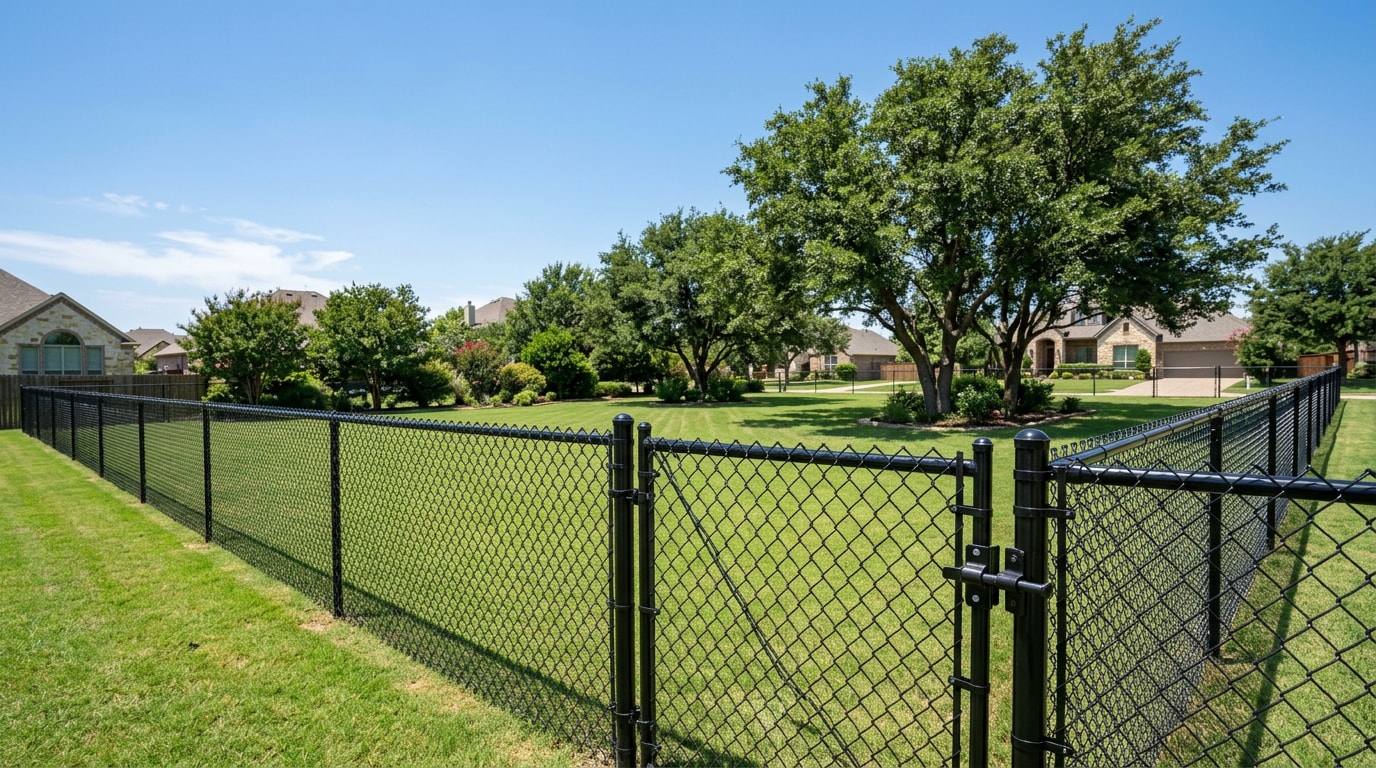
- Chain link fencing for budget-friendly, see-through containment
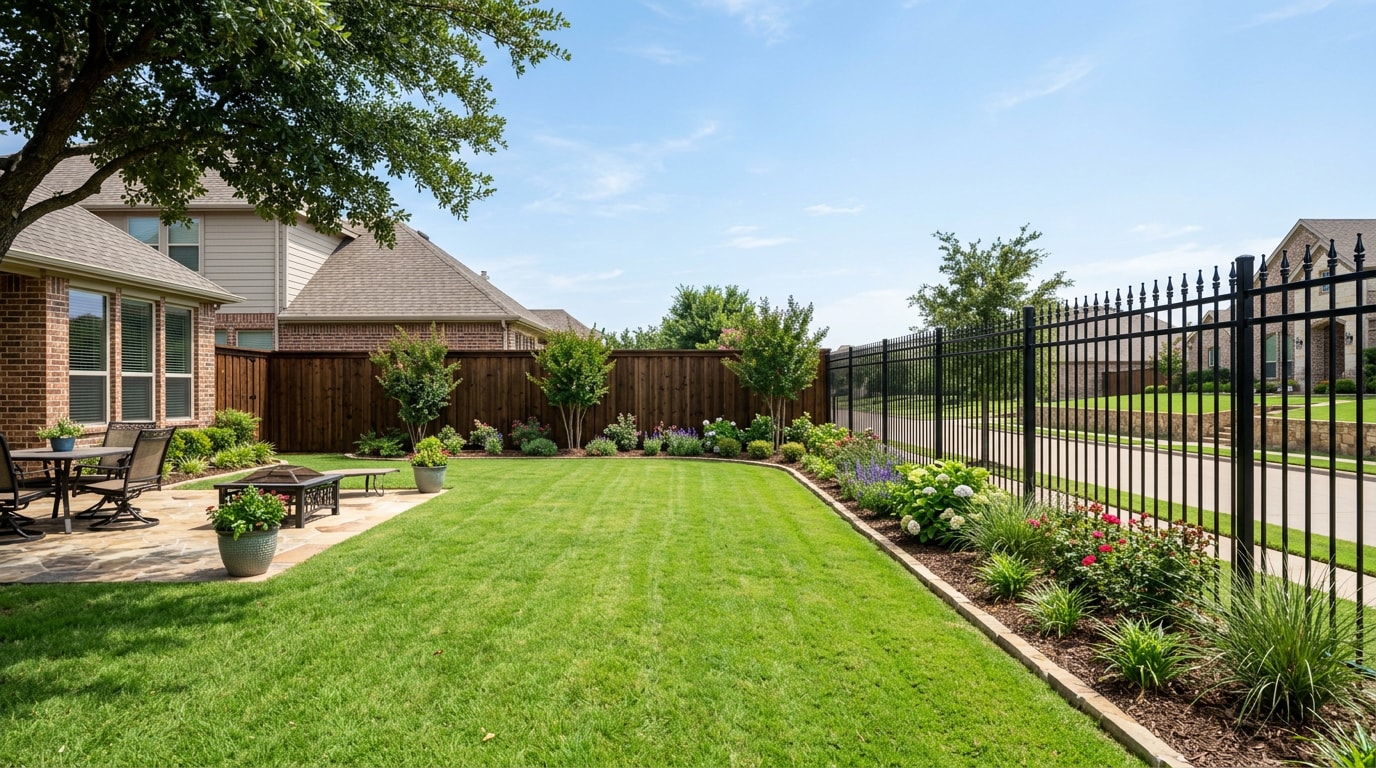
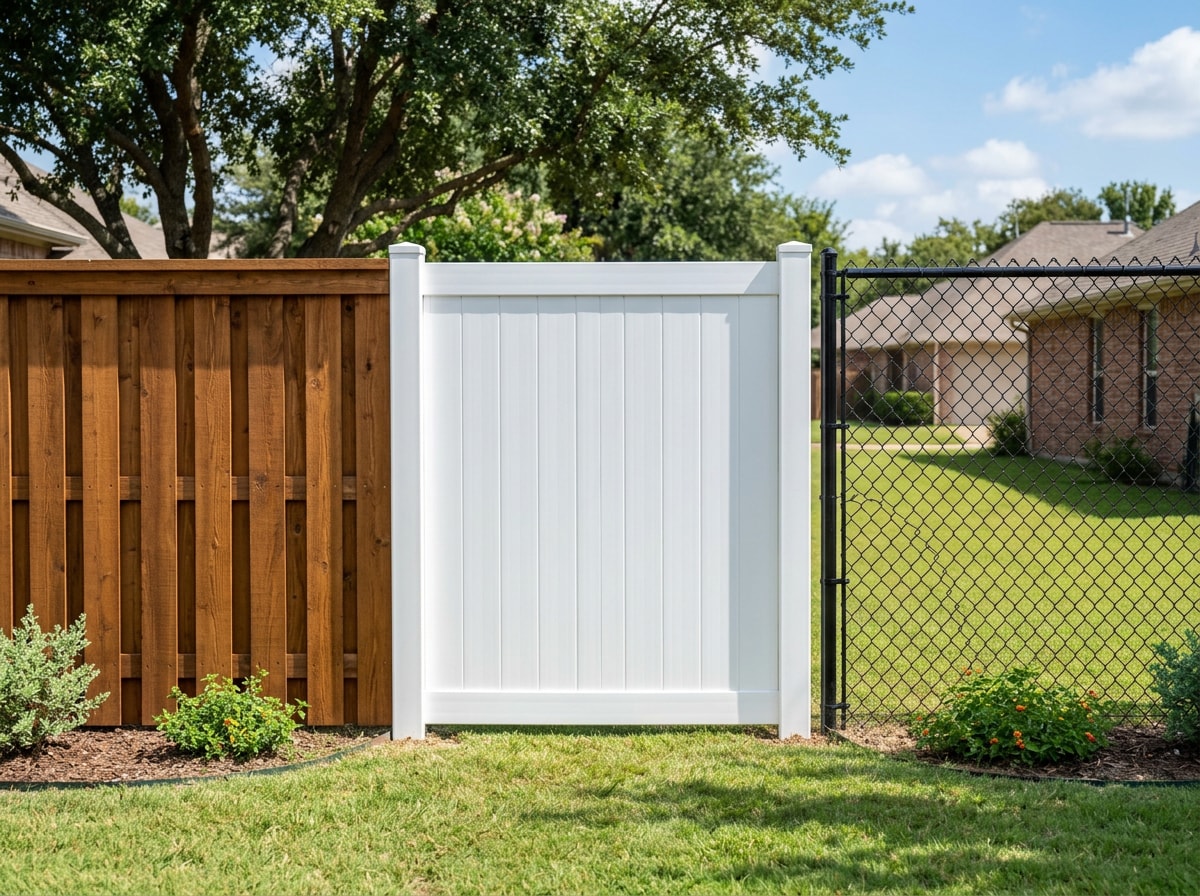
- Wood fence installation for privacy plus containment
- Vinyl fence installation for low-maintenance, HOA-friendly curb appeal
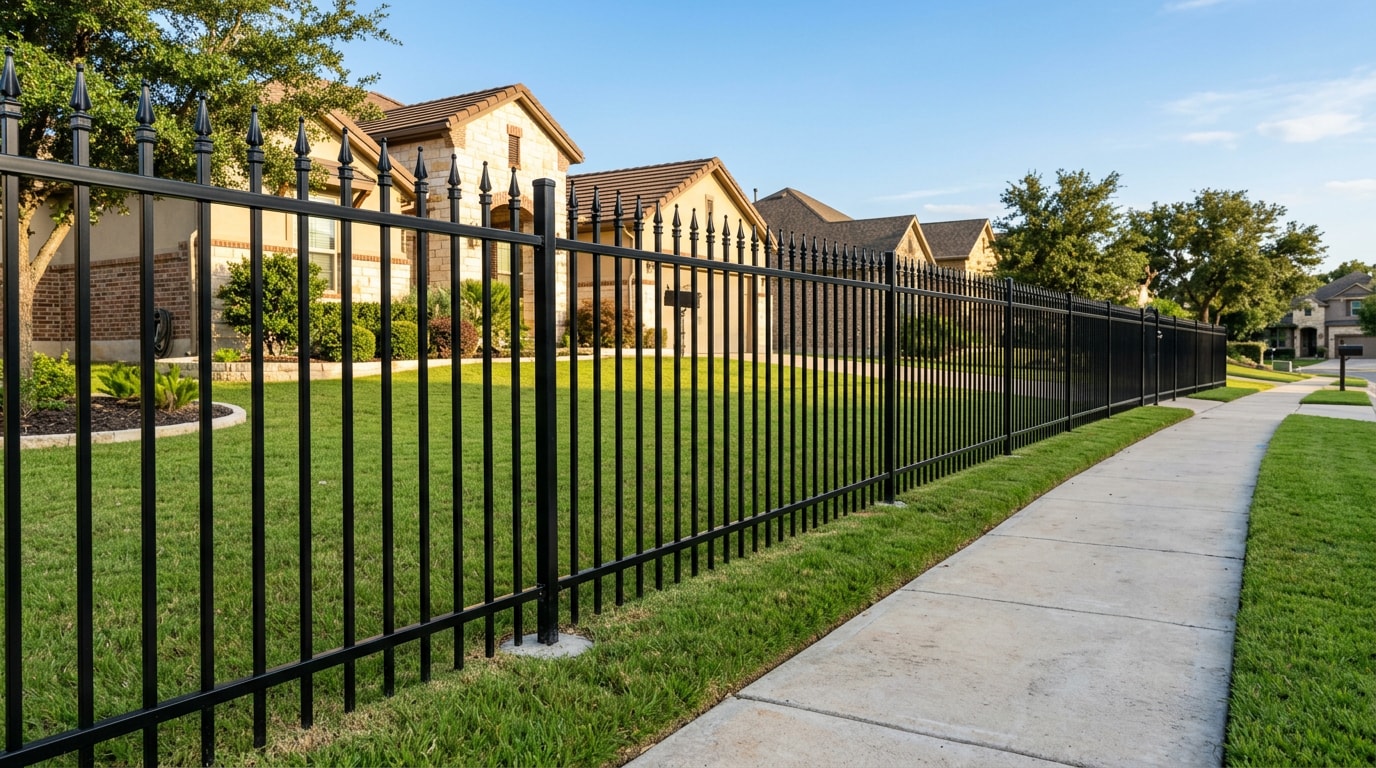
- Wrought iron fencing for a decorative, climb-resistant barrier
Hidden (Invisible) Fences for Pets
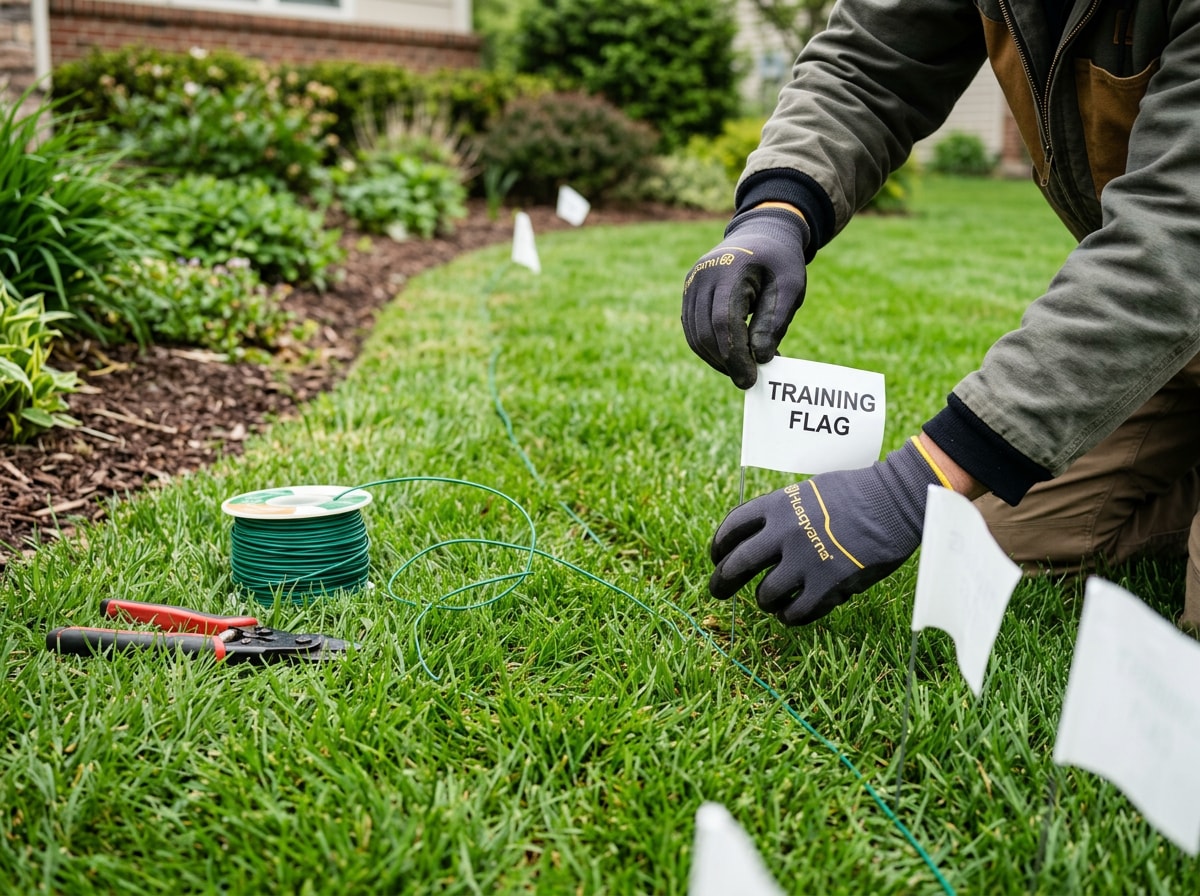
An invisible fence uses a buried boundary wire, a receiver collar, and training flags to warn a dog with a tone, then a mild correction, before it crosses the line. This approach works well on HOA-restricted lots, large acreage, and for dogs that climb or dig under conventional fencing.
It is not foolproof. Electronic containment depends heavily on correct training and collar calibration, and it does nothing to stop other animals, like loose dogs or coyotes, from entering your yard.
| Fence Type | Containment Reliability | Upfront Cost | Ongoing Maintenance |
|---|---|---|---|
| Physical fence | Very high, no training needed | Highest | Low |
| Underground/invisible fence | Moderate, training-dependent | Moderate | Collar battery, wire repair |
| Wireless fence | Lower, signal can drift | Lowest | Frequent recalibration |
Choosing a Pet Fencing Company in Cleburne, TX
Skip the generic "why choose us" pitch. Ask for proof instead: material specs, written warranties, and photos of recent local installs.
Ask About Materials and Warranties
Ask what gauge of wire, post thickness, and hardware grade an installer uses, and get the warranty in writing before you commit. Cheaper materials often fail within a few seasons of Texas heat and clay soil, which costs more in repairs than paying for quality the first time. Browsing a contractor's completed projects is a faster way to judge real workmanship than reading a sales page.
Get a Design Built for Your Property, Not a Template
A digging breed needs a buried footer or a trenched wire loop. A jumping breed needs extra fence height or a wider collar correction zone. A proper site visit accounts for slope, existing landscaping, and gate placement before anyone breaks ground. For larger lots with livestock or horses nearby, a farm fence installation may do double duty as both property and pet containment. Our full lineup of fence contractor services covers everything from standard residential runs to custom acreage layouts.
Pet Fence Installation Process in Cleburne, TX
Expect a site visit, measurement, material selection, and a scheduled install day. For electronic systems, installers typically map the yard and flag problem zones, gates, driveways, flower beds, before burying any wire.
If your current fence is sagging, rotted, or missing sections a dog can squeeze through, repairing it is often cheaper than replacing the whole run. A fence repair and replacement evaluation can tell you which option makes sense before you invest in a new containment system behind a failing perimeter.
Permits and Local Rules in Cleburne, TX
Fence permitting in Cleburne runs through the city's Building Inspections division, and Building Inspections reviews and issues permits for residential and commercial construction . The city's current fee schedule lists a specific charge for taller fences: Fence (above 6') $37.50, and all permits issued will have a $20.00 administrative fee added to the total . That line item rarely shows up on competing fence sites, so confirm current fees directly with the City of Cleburne Building Permits and Services page before scheduling work, especially if your containment plan involves a tall perimeter fence rather than a buried wire.
If your property borders agricultural land, it also helps to know that in a "closed range" area, a livestock owner does not have to prevent their animals from roaming, since it is deemed a "fence in" area where the obligation to fence rests with the livestock owner , per Texas A&M AgriLife Extension's overview of Texas fencing laws. That distinction matters in parts of Johnson County where a pet fence doubles as a boundary against a neighbor's livestock.
Training a Dog for a New Fence
Electronic fence training typically runs one to several weeks, starting with supervised leash walks along the boundary flags before off-leash freedom is allowed. Timelines vary by breed, age, and prior training, so a reputable installer should walk your dog's specific situation through with you rather than quoting a flat number.
Veterinary behavior groups have grown increasingly cautious about correction-based training generally. According to the American Veterinary Medical Association's reporting on the issue, reward-based dog training offers the most advantages and least harm to the learner's welfare , based on the American Veterinary Society of Animal Behavior's position statement. Practically, that means pairing any collar correction with consistent praise and treats at the boundary line, not relying on the correction alone to teach the limit.
Local Considerations for Cleburne, TX Pet Owners
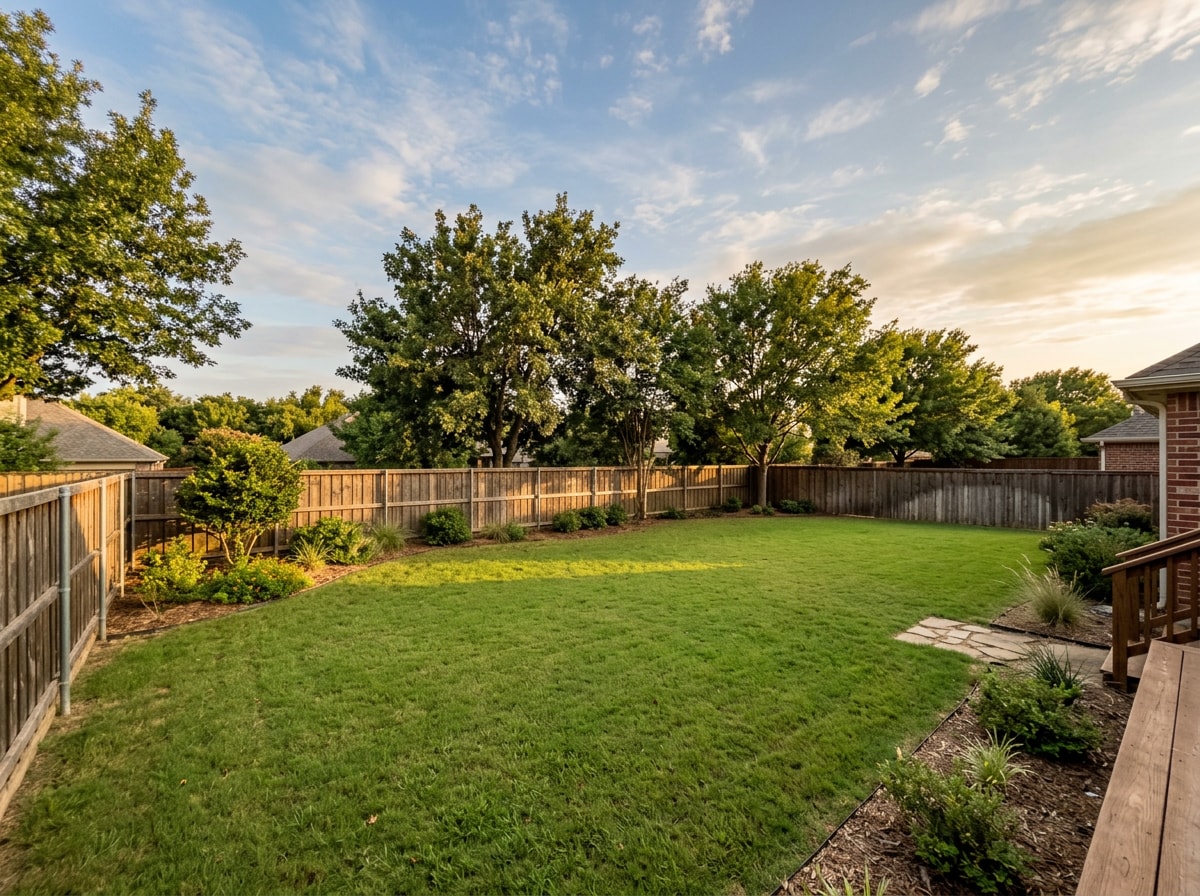
Johnson County's clay-heavy soil and hot summers affect both buried-wire longevity and outdoor comfort for contained pets. Clay soil shifts with moisture swings, which can stress wire splices over several seasons, and shade access matters as much as boundary placement once temperatures climb.
A local installer who already knows the soil, the permit office, and typical HOA quirks in Cleburne neighborhoods can usually move faster than an out-of-area crew. If you're already planning a bigger property upgrade alongside your fence, our guide to home additions in Cleburne, TX) covers what else to expect from local permitting in 2026.
Check out our Cleburne, TX service area page for coverage details, or start on the P&S Fencing homepage to see the full range of fencing, decking, and outdoor construction services we offer around Johnson County.
Ready to compare physical and electronic options for your own yard? Get a free estimate and we'll walk your property with you before recommending anything.
FAQ
How much does a dog fence cost to install?
Physical fencing typically costs more per linear foot than electronic systems, but yard size, material choice, and terrain swing pricing significantly either way. Get a written, itemized quote rather than relying on a national average, since labor and material costs vary by region and by job.
Is an invisible fence better than a regular fence for dogs?
Neither wins outright. A physical fence blocks entry and exit at all times with no training required, while an invisible fence depends on consistent training and will not stop other animals from entering your yard.
Can a dog escape an invisible fence?
Yes. Determined, high-prey-drive, or under-trained dogs can still cross the boundary. Reliability depends heavily on correct collar calibration and consistent, reward-based training.
How long does it take to install a dog fence?
Physical fencing often takes one to three days depending on yard size and material, while underground or wireless systems can often be installed in a single day.
Do I need a permit for a pet fence in Cleburne, TX?
It depends on fence height and location. Cleburne's Building Inspections division handles fence permitting, and taller fences carry a specific permit fee, so confirm requirements with the city before scheduling installation.
How long does invisible fence training usually take?
Most dogs need one to several weeks of supervised, leash-guided training along the boundary flags before they're ready for off-leash freedom. Breed, age, and prior obedience work all affect the timeline.