A security fence in DeSoto, TX has one job: stop intruders and property loss, not just mark a line. DeSoto's building code sets a hard permit threshold, an 8-foot height cap, and specific material rules that most fence quotes never mention. Here's what actually qualifies as a compliant security fence in DeSoto, what it costs, and how to avoid a stop-work order.
Fence Types That Qualify as Security Fencing in DeSoto
Three fence types cover most security needs in DeSoto: galvanized chain link, welded steel mesh or palisade, and ornamental wrought iron. Each balances cost, deterrence, and appearance differently, and DeSoto's zoning code treats some of them differently depending on where the property sits.
| Fence Type | Typical Height | Installed Cost per Linear Ft | Deterrence Level | Best For |
|---|---|---|---|---|
| Galvanized chain link | 6-8 ft | $10-$20 | Moderate | Large perimeters, storage yards, warehouses |
| Welded steel mesh / palisade | 6-8 ft | $20-$40 | High | Industrial sites, utility yards |
| Ornamental wrought iron | 5-8 ft | $24-$44 | High, plus curb appeal | Front yards, pool enclosures, HOA properties |
| Crash-rated / high-security systems | 8 ft+ | $60+ | Very high | Critical infrastructure, high-risk commercial sites |
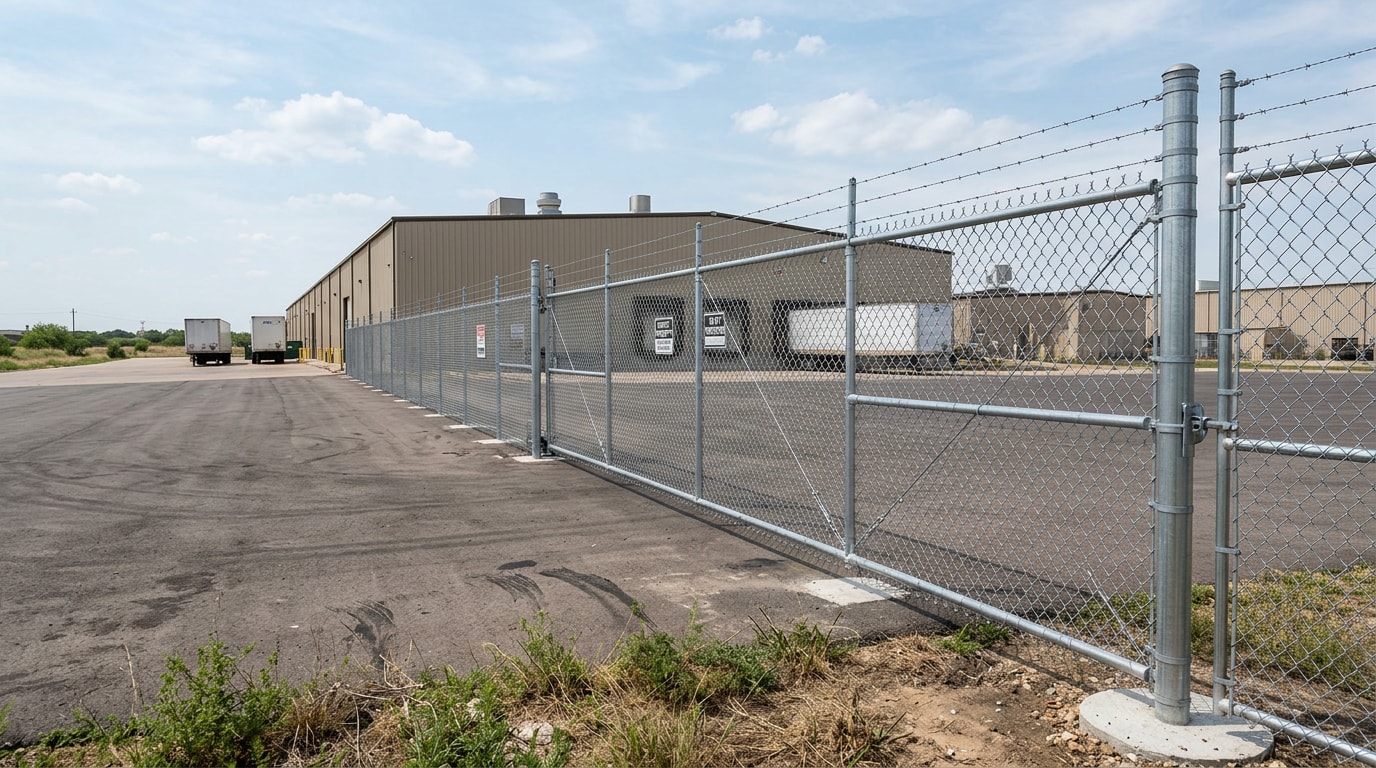
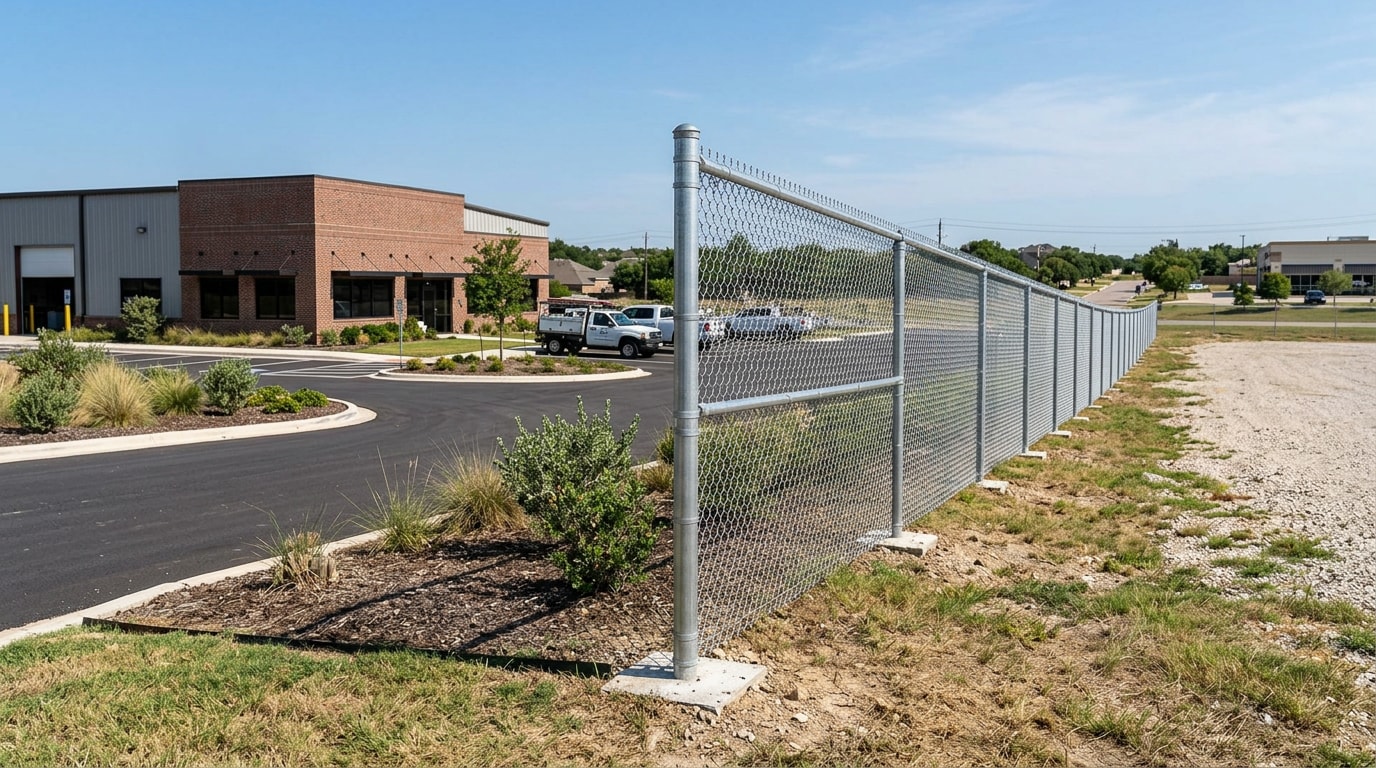
Standard chain link security fencing runs roughly $10 to $20 per linear foot installed , which keeps it the most cost-effective way to secure a large perimeter. Welded mesh suited to high-security perimeters typically runs $20 to $40 per linear foot installed , and top-tier crash-rated systems typically start around $60 per linear foot once certification and integrated access control are added. On the ornamental side, a wrought iron fence costs $24 to $44 per foot to install on average , which explains why it's the default choice when a DeSoto property needs security without looking like a compound.
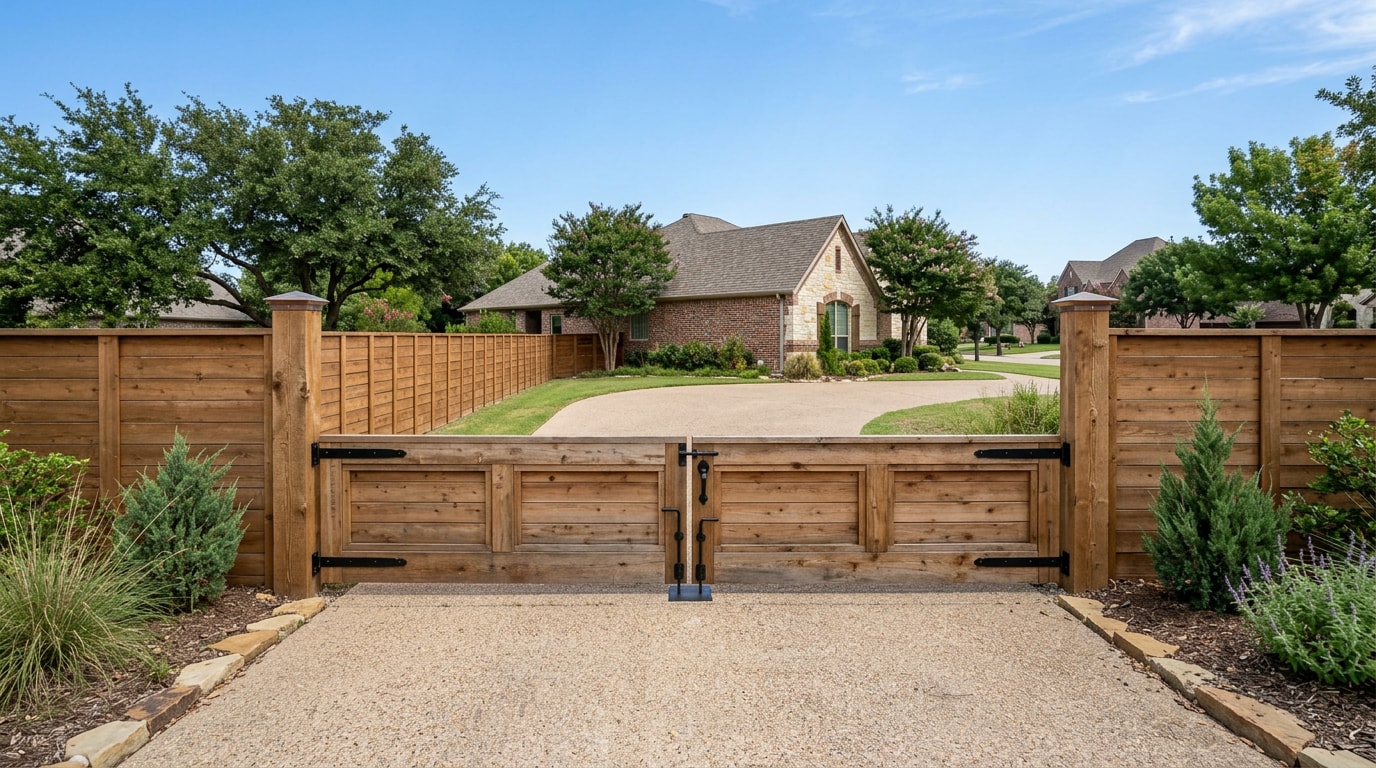
Powder-coated steel and wrought iron fencing is the usual pick for pool enclosures, front yards, and HOA-governed properties where appearance rules apply. Commercial sites lean toward galvanized chain link or welded mesh because it covers long runs affordably and still passes a security review. See the full chain link fencing service page or wrought iron fencing page for material options.
DeSoto's Permit Rules and Code Requirements for Security Fences
This is where most fence shopping goes wrong. DeSoto's fence ordinance isn't a vague "check with the city" footnote, it's a specific, published code, and it changes what you can legally build.
Permits trigger at a low dollar threshold. No fence may be constructed, altered, or maintained anywhere in the city without a permit from the building official if the value of the construction exceeds twenty-five dollars, including labor and materials . That threshold covers nearly every real fence project. Permits are always required when fence posts are installed or replaced , though repair of pickets does not require a permit if it involves a section of fence 20 feet or less in length , per the City of DeSoto's permit guidance.
Height is capped for most properties. No fence may be erected in any residentially zoned district that exceeds eight feet in height . On the commercial side, a security fence can be up to eight feet in height under the zoning code's screening and security provisions.
Barbed wire is legal in DeSoto, but only in specific zones. This is the detail almost every generic fence guide gets wrong:
It is prohibited to have barbed wire, hog wire, chicken wire, or an electric fence on a standard residential or general-use property, and code enforcement actively cites violations.
Barbed wire used in fences or walls is permitted in the C-1, C-2, LI, and I zoning districts , but it's not permitted in the front yard or exterior side yard in any of those districts .
Barbed wire is not permitted at all in the O-1, O-2, NS, or GR zoning districts , which covers most office, neighborhood service, and general retail properties.
The only exception for barbed wire or electric fencing outside those zoning districts is farm or ranching use on undeveloped land over three acres .
A required security screen must be masonry, not chain link. Here's the nugget most fence contractors never check before quoting: when DeSoto requires a screening or security fence under a Specific Use Permit or Planned Development District, that fence must be constructed of masonry, reinforced concrete, or other similar suitable permanent material that doesn't contain openings . Chain link, woven wire mesh, barbed wire, and similar materials are not permitted for that specific security-fence application , even though they're common security choices elsewhere in the city. On our DeSoto jobs, this is the single most common reason a commercial fence plan gets bounced back at permitting, so it's worth confirming before materials are ordered.
A few more code details that catch owners off guard:
New and replacement wooden fences must have metal posts .
Posts and rails must be placed on the inside of the fence so they don't face a street .
A fence can't lean more than 10 degrees out of perpendicular alignment with its base before it's a code violation.
Fences around swimming pools must comply with the city's adopted building code , separate from the general fence ordinance.
Always confirm current rules for your specific lot with the City of DeSoto's permit requirements and the city's fence violation standards before ordering materials. For zoning-district specifics on height and barbed wire, the DeSoto zoning code on fencing, walls, and screening is the source to check directly.
Commercial-Grade Materials: What Makes a Fence Actually Secure
Picking the right fence type matters, but commercial-grade materials are what make a security fence perform for years instead of months. Heavier-gauge steel pipe, thicker mesh, and higher-grade posts resist cutting, climbing, and impact far better than standard residential-grade products.
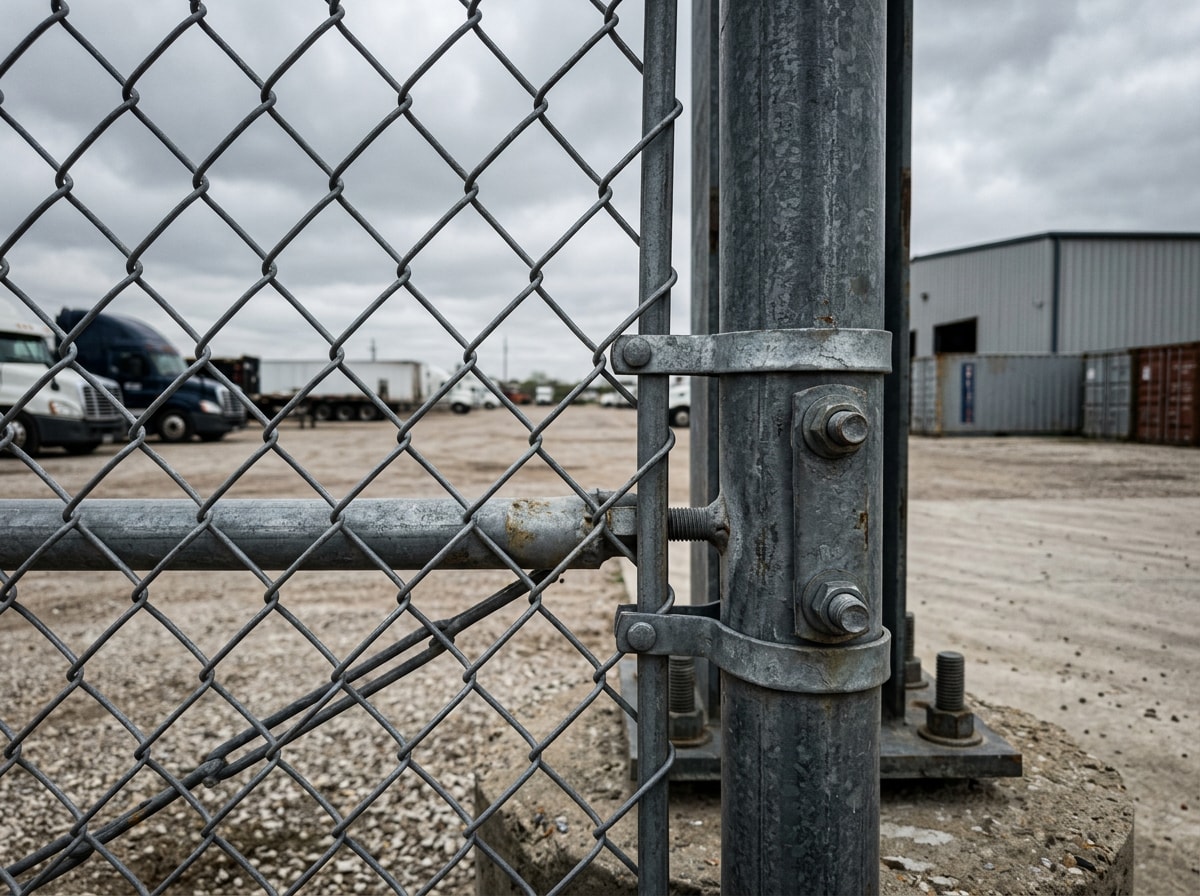
Chain link fabric and framework used for security applications are commonly built to recognized specifications covering the physical requirements for chain link fence fabrics used in commercial, industrial, and residential applications , which is why gauge and coating class matter more than they seem to at first glance. A galvanized or vinyl-coated 9-gauge fabric on 2-3/8" line posts holds up to Texas heat, storms, and repeated impact far better than the big-box 11.5-gauge version. See galvanized fence options and the additional security service page for upgrade paths like anti-climb toppers and reinforced posts.
Installation Process for a DeSoto Security Fence
A proper security fence installation follows the same sequence whether it's a backyard upgrade or a commercial perimeter project:
- Site assessment – soil conditions, property lines, and zoning district are confirmed before design.
- Permit filing – required for nearly every job given the city's $25 construction-value threshold.
- Post setting – posts are set in concrete to the depth the code requires, with rails kept off the street-facing side.
- Panel or mesh installation – fabric, pickets, or panels go up, followed by hardware and gate alignment.
- Final walkthrough – client sign-off, plus inspection coordination on commercial jobs.
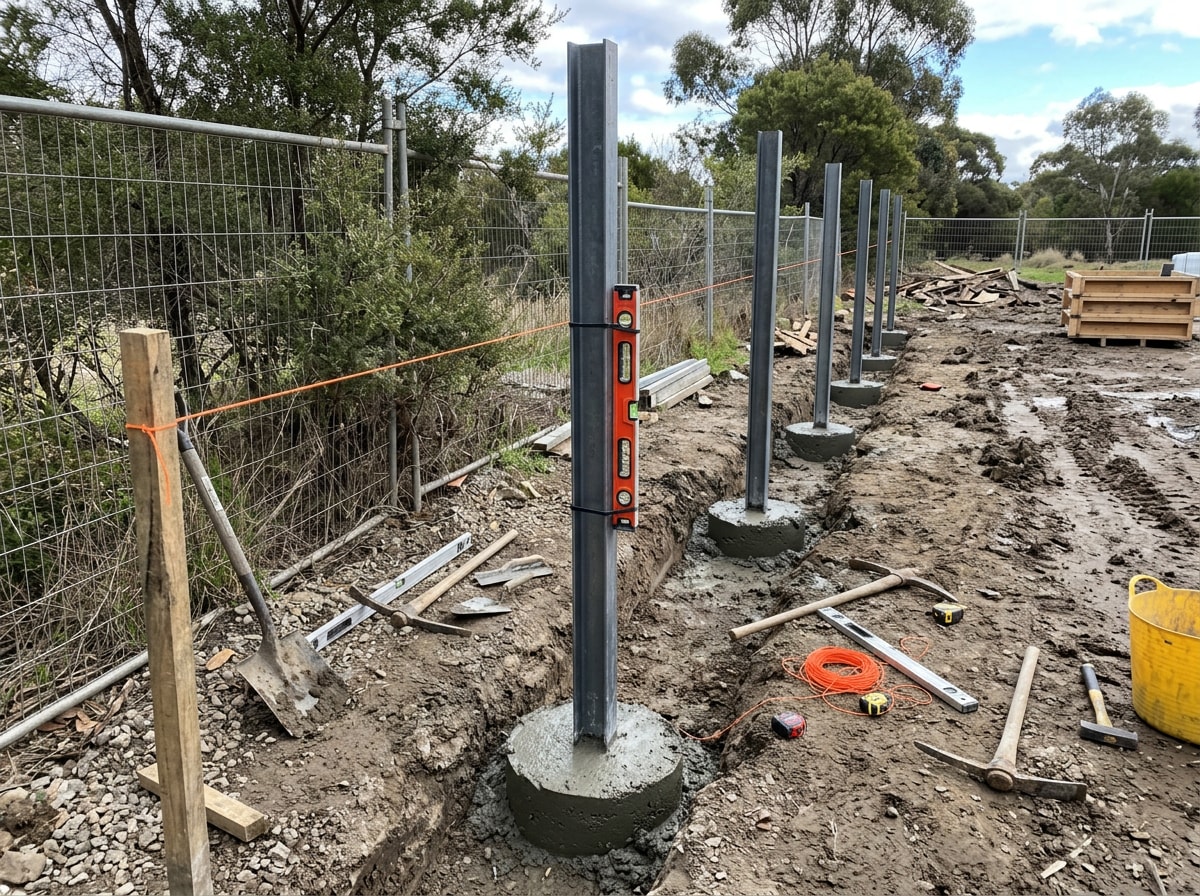
Commercial security projects typically add permit acquisition and inspection coordination that smaller residential jobs don't need. Review the fence contractor services page for project specifics, check automatic gate installation and repairs if the perimeter needs a vehicle or pedestrian gate, or visit the DeSoto, TX service area page for coverage in your neighborhood. If your project is closer to a commercial chain link spec, the cost and security breakdown in this commercial chain link fence guide walks through similar specs for a nearby DFW city.
Fence Maintenance and Repair in DeSoto
Regular maintenance, checking posts, tightening hardware, and catching rust or loose pickets early, extends a security fence's working life significantly. It also keeps you ahead of code enforcement, since the city can cite a leaning or damaged fence as a violation regardless of when it was installed.
- Check for lean exceeding the 10-degree code limit after major storms.
- Inspect wood fence posts for rot; replacement posts must be metal under current code.
- Look for rust bloom or mesh separation on chain link before it spreads.
- Confirm gate hardware still self-latches on pool enclosures.
Minor damage usually calls for a repair; widespread rust, multiple leaning sections, or a failed gate usually justify full replacement. Visit the commercial fence repair page or the fence repair and replacement page for more on that decision, or request a free estimate and we'll assess the fence in person.
Ready to compare options for your property? Visit the company homepage to see the full range of fence, deck, and outdoor construction services available across DeSoto and the surrounding DFW area.
FAQ
Do I need a permit for a security fence in DeSoto?
Almost always, yes. A permit is required for any fence construction, alteration, or maintenance in the city if the value of the work exceeds twenty-five dollars, including labor and materials . Permits are always required when fence posts are installed or replaced , which covers the vast majority of security fence projects.
How tall can a security fence legally be in DeSoto?
Fences in residentially zoned districts can't exceed eight feet in height , and a security fence can be up to eight feet in height under the commercial screening and security provisions. Taller industrial applications need a zoning review before you build.
Is barbed wire legal on a fence in DeSoto?
It depends entirely on zoning. Barbed wire is prohibited on standard residential and general-use properties , but it's permitted in the C-1, C-2, LI, and I zoning districts , except it can't be used in the front yard or exterior side yard in any of those districts . Confirm your parcel's zoning before specifying barbed wire on a quote.
How much does a security fence cost in DeSoto?
Standard galvanized chain link runs roughly $10 to $20 per linear foot installed , wrought iron runs $24 to $44 per foot , and welded steel mesh for higher-security perimeters runs $20 to $40 per foot . Commercial specs, added height, and access control raise pricing above those baseline ranges.
What's the best fence type for security?
Ornamental wrought iron and heavy-gauge galvanized chain link are the two most common top picks. Iron adds curb appeal and works well where appearance matters as much as deterrence; chain link covers large commercial perimeters at a lower cost per foot.
Does a DeSoto pool fence have different rules than a security fence?
Yes. Fences around swimming pools must comply with the City of DeSoto's adopted building code rather than the general fencing ordinance, which adds separate requirements for gate self-latching and barrier height. A standard security fence spec won't automatically satisfy a pool barrier requirement.