Home additions in Cleburne, TX let Johnson County homeowners add a bedroom, a primary suite, or a family room without giving up a yard, a school zone, or a mortgage rate they already like. Local permit timelines, Houston Black clay soil, and the build-out-vs-build-up decision shape a Cleburne project more than any national cost calculator can. Here's what pricing, permitting, and payback actually look like for a Cleburne address in 2026.
How Much Does a Home Addition Cost in Cleburne, TX in 2026?
Most 2026 home addition projects run somewhere between $150 and $400 per square foot nationally, and Cleburne pricing tends to fall in the middle of that band rather than at the high end seen in major metro labor markets. The final number depends heavily on project type, finishes, and the condition of the existing home.
Simple room additions sit at the lower end of that range. Additions that require new plumbing, a second story, or high-end finishes push toward the top.
| Addition Type | Typical Cost per Sq. Ft. (2026) |
|---|---|
| Basic room addition (bump-out) | $150–$220 |
| Bedroom or family room addition | $180–$260 |
| Kitchen expansion | $220–$320 |
| Second-story addition | $250–$400 |
| Primary suite addition | $230–$350 |
What Drives the Price in Johnson County
A handful of factors move the needle more than finishes do:
- Foundation type. Cleburne sits on expansive clay, which changes slab prep and pricing (more on this below).
- Structural engineering. Second-story additions need an engineer to confirm the existing foundation and framing can carry the added load.
- Utility runs. HVAC and plumbing extensions get expensive fast if the new space sits far from existing lines.
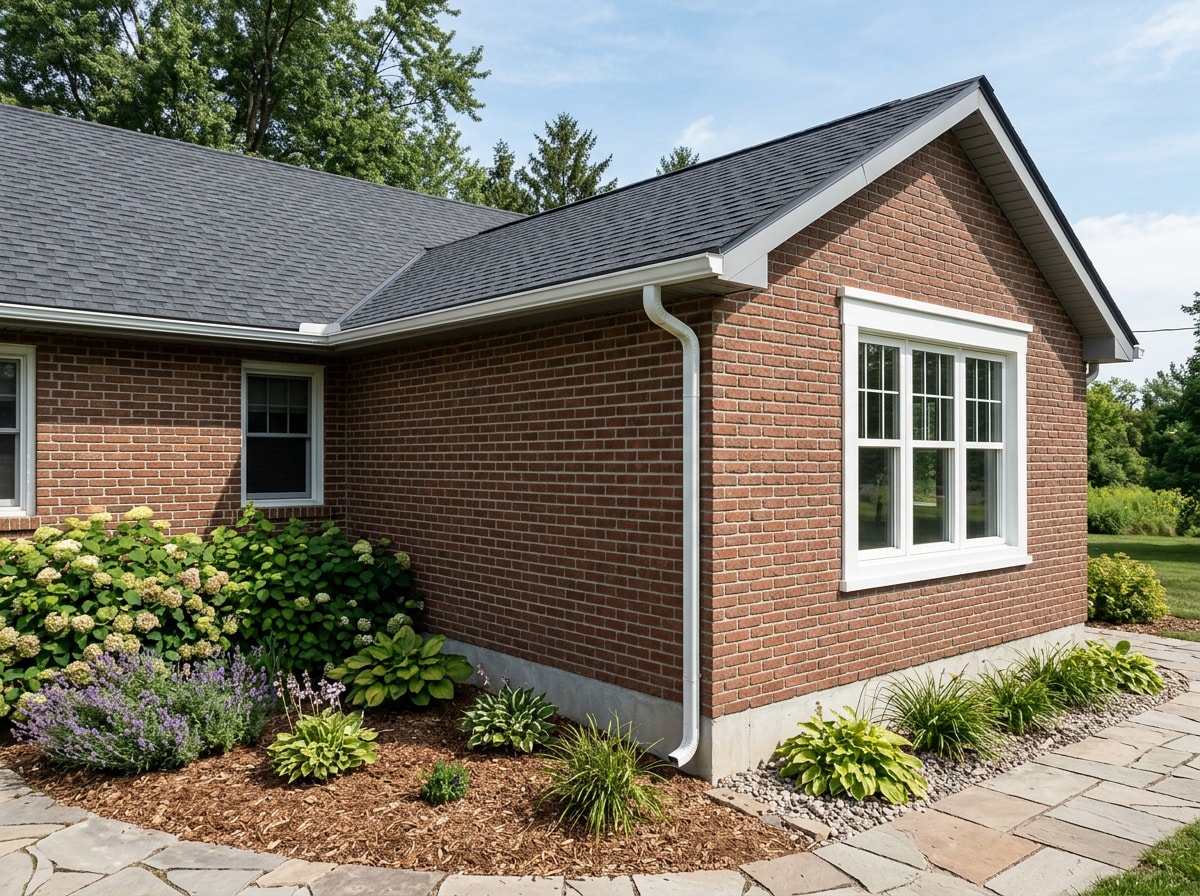
- Roof tie-ins. A roofline that doesn't match the existing pitch cleanly adds labor and material cost.
- Age of the home. Older Cleburne homes sometimes hide outdated wiring or aging foundations that surface once walls open up.
A contractor who inspects the existing structure before quoting will give a more accurate number than one pricing from square footage alone. Our home addition construction page covers how we scope these variables during a walkthrough.
Build Out vs. Build Up: Which Addition Fits Your Lot?
Choosing between expanding the footprint and adding a second story changes your cost per square foot, your timeline, and how much disruption your household absorbs during construction.
Room Additions
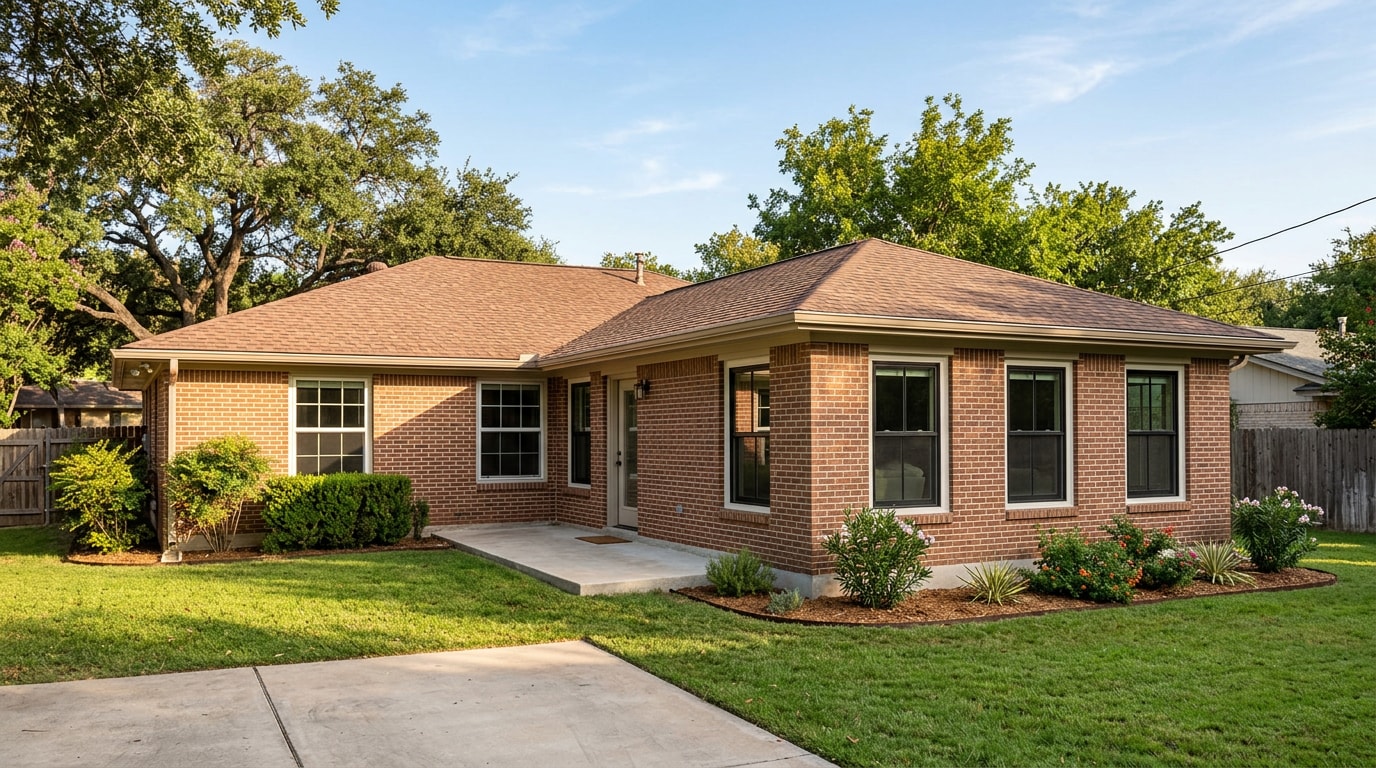
A room addition adds new enclosed space to your home's existing footprint, most often a bedroom, family room, or expanded kitchen. It's the most common addition type in Texas because it's the simplest to permit and build, and it ties into the existing roofline and foundation rather than requiring new structural support above.
Bedroom additions are popular with growing families and homeowners planning for aging parents to move in. A family room addition tends to suit households that have outgrown their living space but don't need another bedroom.
Second-Story Additions
A second-story addition builds a full or partial new level on top of the existing home instead of expanding outward. It's the better fit when the lot is small, the yard matters, or setback rules limit how far you can build out.
Building up preserves existing landscaping or patio space, which is common on the smaller in-town lots near Cleburne's historic district. It's more involved structurally since it requires reinforcing the existing foundation, but it adds usable square footage without touching yard space.
| Project Type | Cost per Sq. Ft. (2026) | Typical Timeline |
|---|---|---|
| Bump-out addition | $120–$180 | 3–5 weeks |
| Single-room addition | $150–$260 | 6–10 weeks |
| Primary suite addition | $230–$350 | 8–14 weeks |
| ADU (detached or attached) | $180–$300 | 10–16 weeks |
| Garage conversion | $90–$160 | 3–6 weeks |
| Second-story addition | $250–$400 | 12–20 weeks |
A bump-out or garage conversion is the fastest, most affordable way to add usable space. A second-story addition or full ADU reflects more structural work, permitting, and finish-out, which is why both run longer and higher per square foot. See examples of both on our projects page.
Permits, Codes, and Cleburne's Clay Soil
Nearly every home addition in Cleburne needs a building permit, along with separate electrical, plumbing, or mechanical permits depending on scope. The City of Cleburne's own Building Permits and Services page outlines review times directly: a single-family addition typically gets two business days for initial plan review and four days for any revision cycle, while larger new-construction projects run seven to fourteen business days.
That's faster than homeowners often expect, but plan review speed doesn't eliminate the structural review itself. Any addition that changes the primary structure still triggers a full inspection cycle before work is signed off.
Why Soil Type Matters More Here Than in Most States
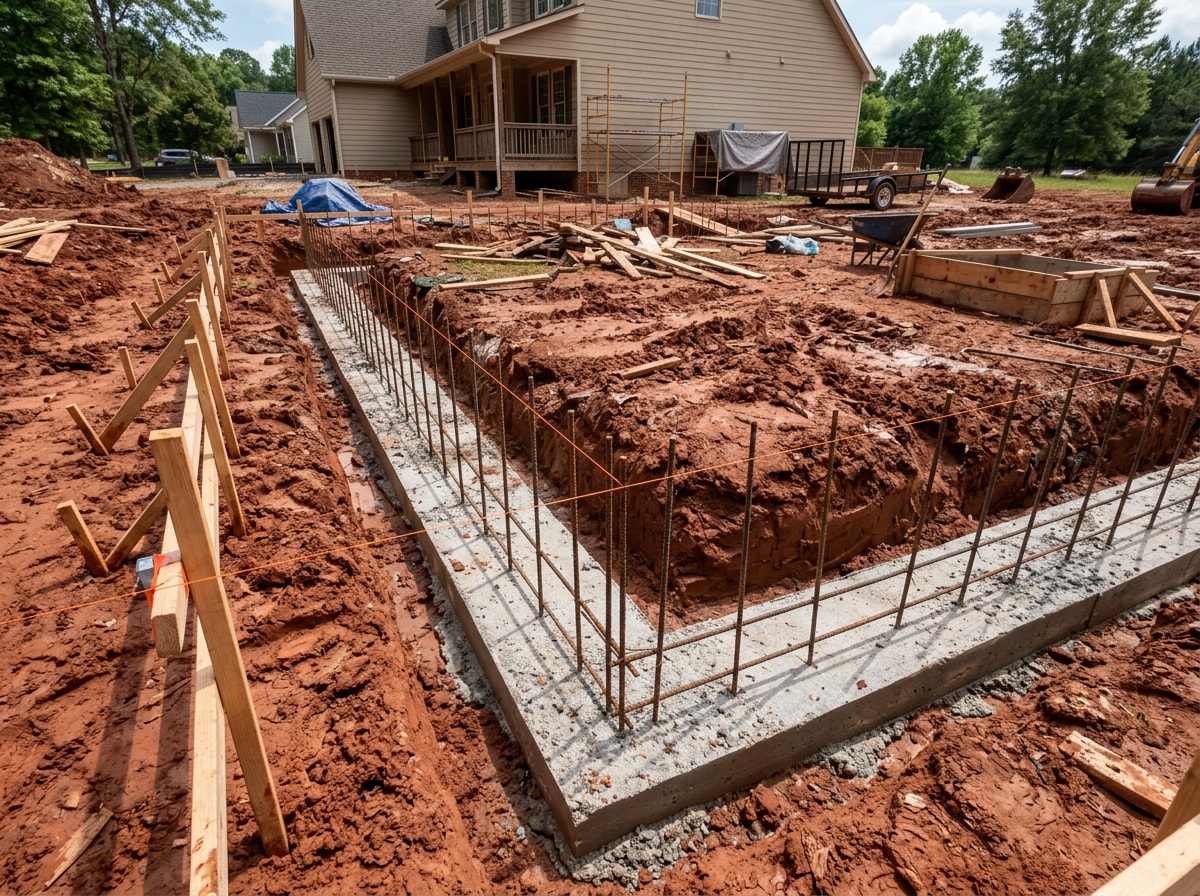
Johnson County sits on expansive clay. The U.S. Department of Agriculture's Natural Resources Conservation Service notes that Houston Black, a heavy clay prone to shrinking and swelling with moisture, is the official state soil of Texas. That clay expands when wet and contracts when dry, and it can shift foundations enough to crack slabs if a new addition isn't engineered to account for it.
Ground-level build-outs that pour new foundation sections are more exposed to this risk than second-story additions, which build on a foundation already proven to carry the home's weight. That soil reality can narrow the cost gap between build-out and build-up projects here more than it does in other parts of the country, since ground-floor additions sometimes need the kind of foundation engineering normally associated with building up.
If you're weighing a smaller, lower-cost structure instead of a full addition, our guide on prefab porches for mobile homes in Cleburne, TX covers permitting for that scope specifically.
Why Johnson County Homeowners Expand Instead of Move
With resale inventory still tight near downtown Cleburne and the newer subdivisions off Highway 171, finding a bigger home that fits the budget isn't easy. Expanding the house you already own is often the more predictable path.
Reasons homeowners choose to expand:
- Stay in the current neighborhood and school district
- Customize the new space exactly to your needs
- Avoid real estate agent commissions entirely
- Keep a known, fixed project budget
Reasons homeowners choose to move instead:
- Avoid construction disruption to daily life
- Sidestep today's higher purchase prices
- Avoid closing costs and lender fees on a new home
- Skip moving expenses and the time cost of relocating
For most Johnson County homeowners who already like where they live, expanding tends to come out ahead financially once moving costs and current purchase prices are factored in. Multi-generational living and financial predictability are the two reasons that come up most when homeowners talk with our team about why they'd rather build than buy. Explore our full general contractor services to see what's involved.
What a Home Addition Adds Back at Resale
Exterior and lower-cost projects consistently outperform large additions when it comes to the percentage of cost recouped at resale. In JLC's 2025 Cost vs. Value report, a wood deck addition recouped about 95% of its cost nationally. Most published cost-vs-value research puts major interior additions, like primary suites and second-story builds, in roughly the 30% to 50% recoup range, well below small exterior upgrades.
That gap exists because resale value in these reports comes from real estate professionals' opinions of buyer demand, not a guaranteed sale price. Resale isn't the only return worth weighing, though. If you plan to stay in your Cleburne home for years, the daily livability of more space, a real primary suite, a bedroom for a growing family, a home office, often matters more than the eventual resale number. Compare options on our custom deck design and deck building services pages if an outdoor-living addition fits your budget better than an interior one.
How Long Does a Home Addition Take in Cleburne?
Most home additions in Cleburne take between two and six months from permit approval to final walkthrough, depending on size and complexity. A simple room addition or bump-out lands on the shorter end, while a second-story addition or full primary suite build stretches toward the longer end.
Permitting adds time before construction even starts, though Cleburne's own review windows, two days for initial addition review, are faster than many Texas cities. Material lead times for windows, custom cabinetry, or specialty roofing can still push a schedule back by weeks if they aren't ordered early.
The complexity of the tie-in between old and new structure matters too. A straightforward bump-out ties in faster than a second-story addition that requires reinforcing the existing foundation and framing before any new walls go up.
Our design-build team at P&S Fencing and Construction has walked Johnson County homeowners through this exact planning process, from the first soil check to the final inspection, and we size up tie-in complexity on-site rather than guessing from a floor plan. Request a quote and we'll walk through what to expect for your specific home.
FAQ
What Should I Look for in a Home Addition Contract?
A solid contract spells out the full scope of work, a milestone-based payment schedule tied to completed phases rather than dates, a clear change-order process, a realistic timeline, and written warranty terms. If any of those are missing or vague, ask for them in writing before signing.
Is a Home Addition Worth the Investment?
Most additions recoup a smaller share of their cost at resale than small cosmetic projects like a new garage door or deck, but the lifestyle return, more space, more privacy, a better-functioning layout, is often the bigger reason homeowners say it was worth it.
Do I Need a Permit for a Home Addition in Cleburne?
Yes. Virtually every addition requires a building permit, plus separate electrical, plumbing, or HVAC permits depending on scope. Skipping permits can lead to fines, forced removal of completed work, and complications when you sell the home.
Is It Cheaper to Build Out or Build Up?
Building out (a ground-floor addition) is usually cheaper per square foot than building up, since it avoids the structural reinforcement a second story requires. But Cleburne's expansive clay soil can narrow that gap, since ground-floor additions sometimes need extra foundation engineering too.
Do I Need an Architect or Engineer for a Home Addition in Texas?
A structural engineer is typically required any time an addition changes load paths, most notably for second-story additions or any project that alters the existing roofline or foundation. Simple single-story bump-outs on an existing slab often don't need a full architect, but local plan review will confirm what your specific project requires.
How Much Will My Property Taxes Go Up After an Addition?
Once completed, your addition gets appraised at market value for that tax year as new construction. The exact increase depends on your local tax rate and the appraised value added, so it's worth checking with your county appraisal district or the Texas Comptroller's property valuation guidance to estimate the impact before you build.
Ready to put real numbers against your project? Get a free estimate from the team at P&S Fencing and Construction, or browse our house addition construction services to see where to start.