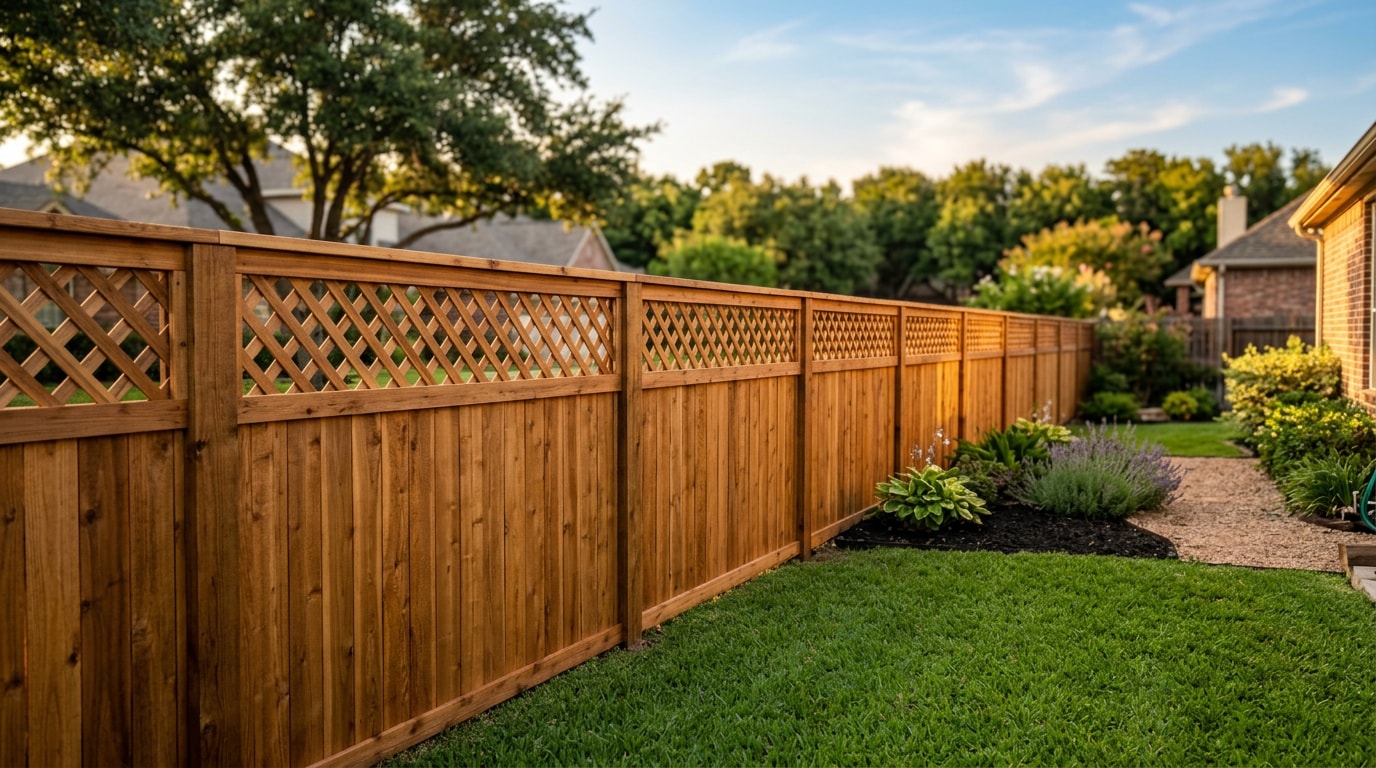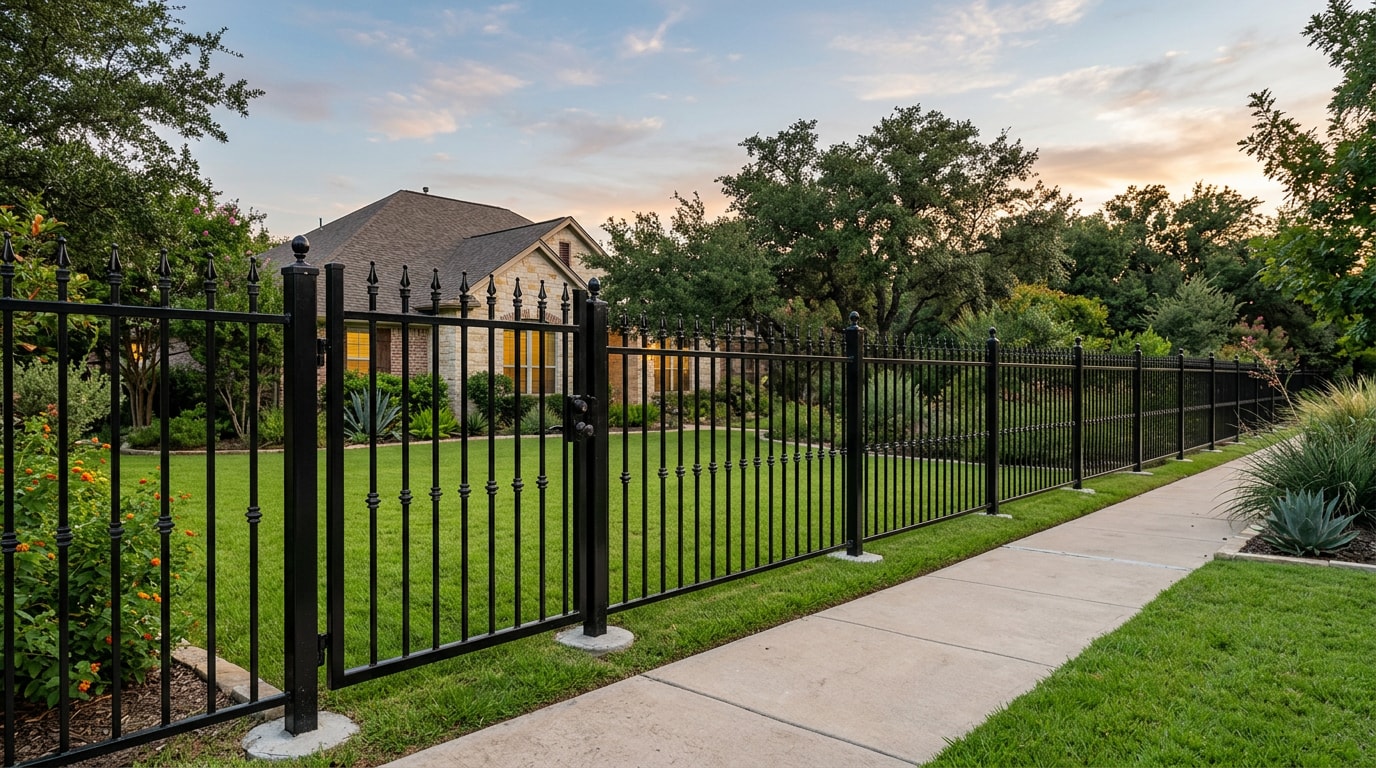
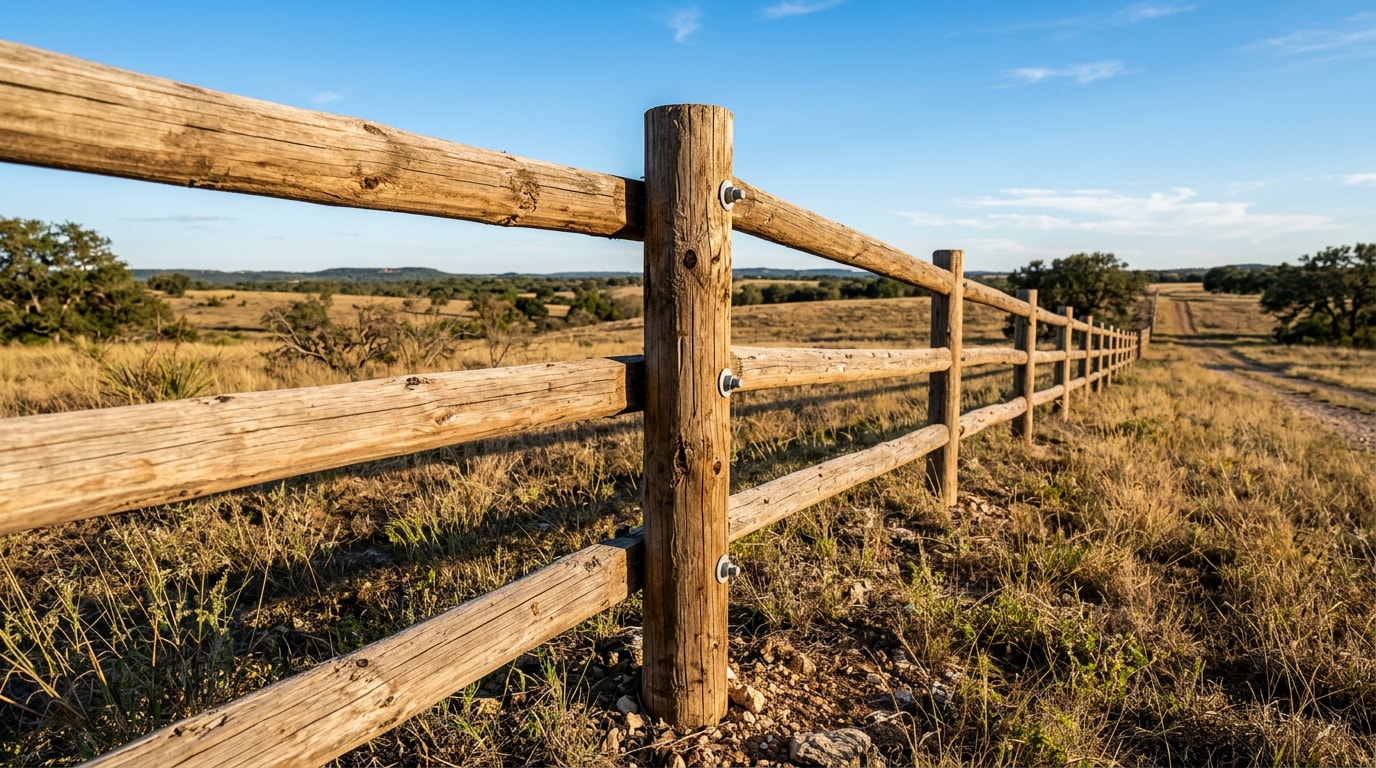
A 3 rail wood fence in Waxahachie, TX gives you the open, rustic look of Ellis County pastureland without the cost or closed-in feel of a privacy fence. It's one of the most requested layouts we build for acreage lots, driveways, and front-yard boundaries across the area. Here's what actually drives the price, the layout decision, and whether this style will hold up on your property.
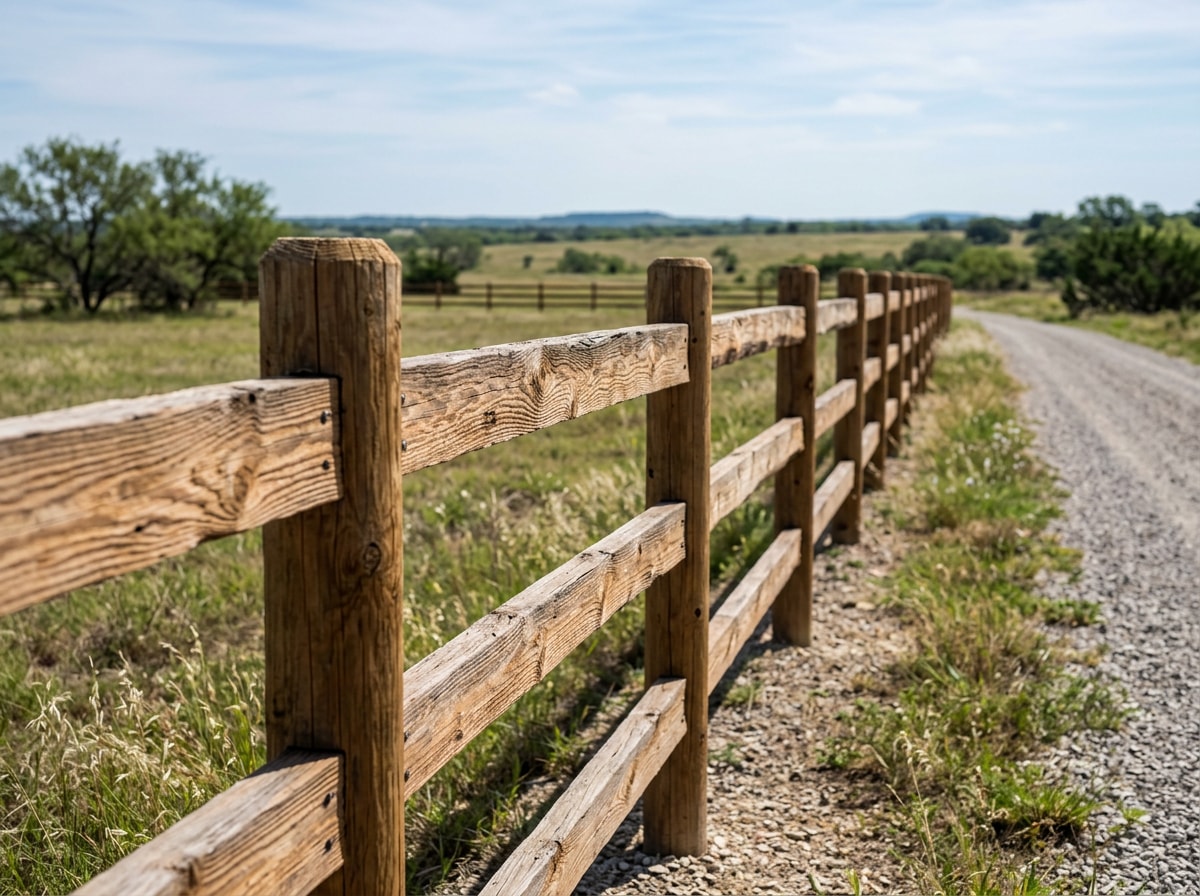
What Is a 3-Rail Wood Fence?
A 3-rail wood fence is built with three horizontal wood rails spanning between evenly spaced posts. It's a close cousin of the traditional split rail fence, favored for marking boundaries without blocking the view.
Unlike a privacy fence, this is an open design. You can see straight through it.
That's exactly why so many Waxahachie-area homeowners and landowners choose it. It works for pastures, long driveways, and front-yard boundaries where curb appeal matters as much as function.
What a 3-Rail Wood Fence Costs in Waxahachie (2026)
Installed wood 3-rail fencing in the Waxahachie/DFW metro area typically runs in the $14 to $22 per linear foot range, depending on wood species, post spacing, and site access. Larger acreage projects can sometimes bring the per-foot price down slightly due to volume ordering.
A few factors move that number up or down:
- Wood species. Cedar costs more than treated pine but needs less frequent sealing.
- Post spacing. Tighter spacing adds material and labor but improves rigidity in loose or shifting soil.
- Site access and terrain. Sloped lots, tree roots, and hard-to-reach fence lines add labor time.
- Gate count. Each gate adds hardware and framing cost beyond the straight-run price.
These are general regional estimates, not a quote. Site conditions in Ellis County's clay soil can change your final number more than they would on a typical sandy-soil install. For an exact figure, request a free quote from a local crew that's actually dug posts in your part of the county.
2-Rail vs. 3-Rail vs. 4-Rail: Choosing the Right Layout
Rail count directly affects a ranch fence's height, openness, and containment strength.
| Layout | Typical Use | Containment Strength |
|---|---|---|
| 2-rail | Decorative boundary, low-traffic areas | Lowest |
| 3-rail | Property lines, general pasture use | Moderate |
| 4-rail | Active livestock, larger animals | Highest |
For most residential and small-acreage properties around Waxahachie, 3-rail hits the sweet spot between material cost and visual openness. Choosing between 3-rail and 4-rail usually comes down to what you're containing. A simple property-line fence rarely needs the extra rail. A horse boundary or busy livestock area often does.
Soil conditions and gate placement also factor into the final layout. It's worth discussing both with a local installer before finalizing plans.
Wood vs. Vinyl for a 3-Rail Fence
A wood 3-rail fence costs less upfront than vinyl and is easy to repair board-by-board. It does need periodic staining or sealing to resist Texas sun and humidity.
Vinyl costs more initially and needs almost no maintenance. The tradeoff: posts can pop loose under heavy impact, and full sections often need replacing rather than single boards.
| Factor | Wood 3-Rail | Vinyl 3-Rail |
|---|---|---|
| Cost per linear foot (installed) | ~$14–$22 | ~$22–$32 |
| Maintenance | Stain/seal every 2–3 years | Occasional washing |
| Lifespan | 15–20 years (cedar), 10–15 (treated pine) | 20–30 years |
| Repairability | Board-by-board | Often full-section replacement |
Cedar naturally resists rot and insects better than pressure-treated pine, though properly treated pine still performs well when it meets recognized treatment standards. The American Wood Protection Association (AWPA), founded in 1904, is a non-profit technical society and the principal standards-writing body for wood protection methods, preservatives, and treatments. Look for the AWPA U1 stamp on treated posts before you buy.
If vinyl's low upkeep appeals to you more than the upfront savings of wood, browse our vinyl fencing installation options to compare further.
Where a 3-Rail Wood Fence Fits Best
This style works best for:
- Property boundary marking
- Pasture and livestock turnout
- Long driveways
- Large open lots where an unobstructed view adds value
It's a poor match for full privacy needs, pool-code compliance, or containing small dogs without an added wire mesh backing.
If your goal is acreage definition or a classic ranch look, this style usually fits. Browse our farm fence installation services or our general wood fence installation page to see which matches your property. You can also look through recent projects to see completed examples around Ellis County.
Building in Ellis County's Blackland Clay
Ellis County sits on expansive blackland prairie clay, which swells when wet and shrinks when dry. That movement can heave or tilt improperly set posts within a few seasons.
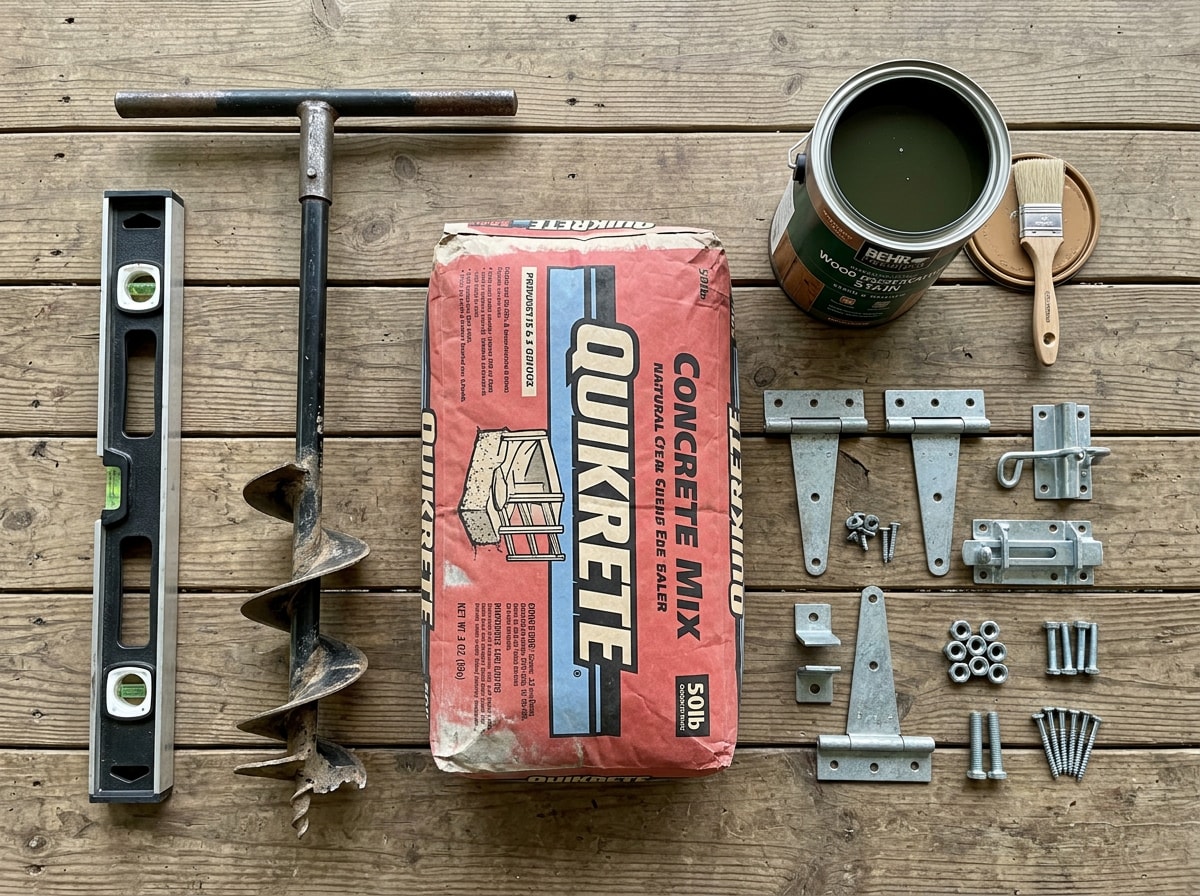
On our own installs across Waxahachie and Midlothian, we've found that posts set at standard depth for sandy or loamy soil guides often loosen here within a year or two. Deeper footings and properly mixed concrete matter more in this soil than most generic installation guides assume.
Checking actual soil data before you dig helps avoid guesswork. Web Soil Survey provides interactive access to the most current information for a user-defined Area of Interest. Pulling your parcel's soil report from the USDA NRCS Web Soil Survey before finalizing post depth is a step most DIY fence guides skip entirely.
Installation generally follows four steps:
- Mark the fence line.
- Dig and set posts.
- Attach rails at even spacing.
- Install the gate.
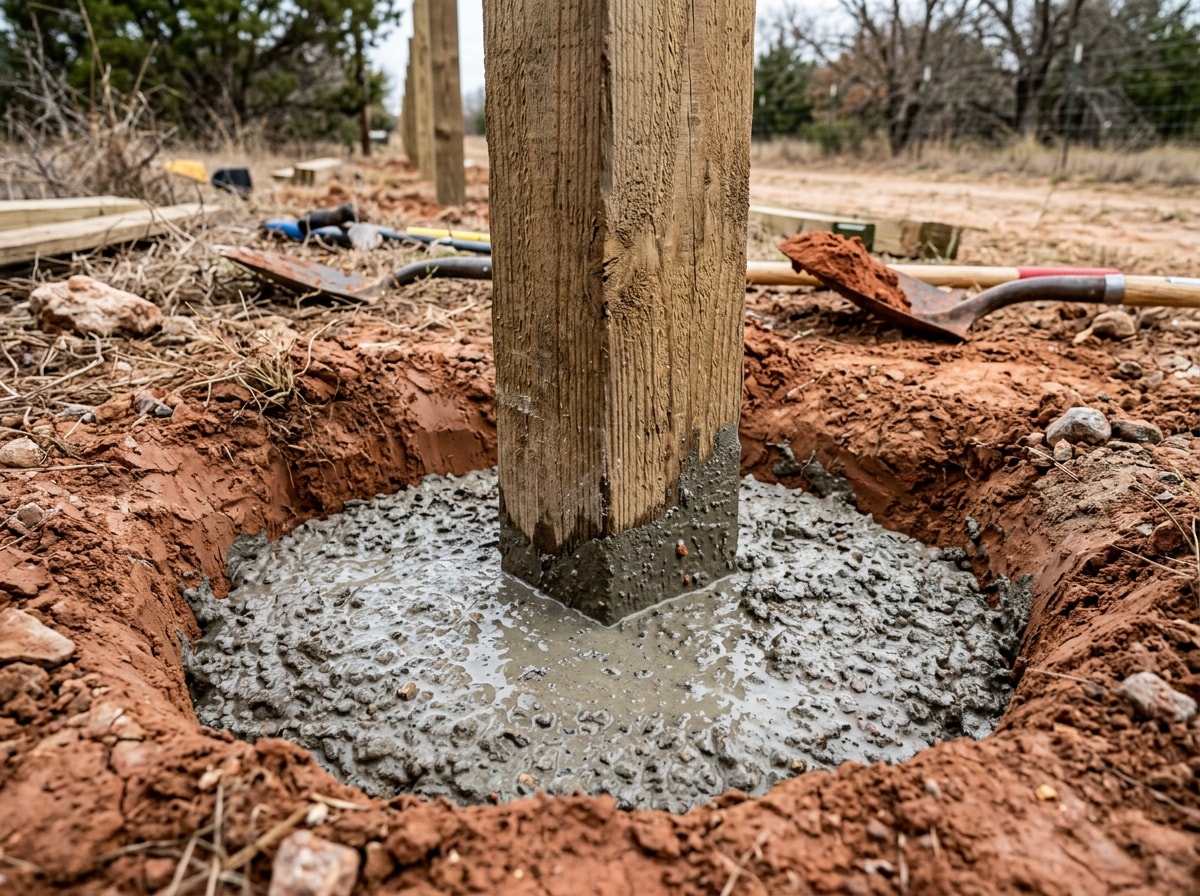
It sounds straightforward. The post-setting stage is where most problems start, and it's where blackland clay punishes shortcuts the most.
Common Mistakes to Avoid
- Rails not properly secured to posts. Loose rails work free faster once the soil starts shifting.
- Uneven post spacing. Throws off the whole fence line and weakens rail support.
- Skipped wood preservative. Shortens lifespan noticeably in Texas heat and humidity swings.
- Posts under-set in unstable soil. The single biggest cause of leaning sections in Ellis County clay.
Any one of these can mean redoing sections within a year or two. Taking time upfront on post depth and spacing saves far more in repairs than it costs in extra labor. If you're already dealing with a leaning or failing fence, our fence repair and replacement team can assess whether a rebuild or a targeted fix makes more sense.
Ready to move forward? Get a free estimate and we'll walk your Waxahachie property line before you commit to a layout.
FAQ
How Tall Should a 3-Rail Wood Fence Be?
A standard 3-rail wood fence built for general property boundaries typically runs 48 to 54 inches tall. That's different for horses, though: the minimum recommended height for perimeter pasture fences for horses is 5 ft (60 in.) , according to University of Georgia Extension. For horse containment, that usually means adding a fourth rail or using taller post spacing rather than relying on a standard 3-rail layout alone.
Is a 3-Rail Wood Fence Safe for Horses and Pets?
A bare 3-rail fence alone won't reliably contain small pets or young foals, since the gaps between rails are wide enough for them to slip through. Many owners add wire mesh backing or a hot wire for extra security to meet the height and visibility standards recommended by university extension equine programs.
How Much Does a 3-Rail Wood Fence Cost Per Foot?
Installed wood 3-rail fencing in the Waxahachie/DFW metro area typically runs $14 to $22 per linear foot as of 2026, depending on wood species, post spacing, and site access. Larger acreage projects can sometimes bring the per-foot price down slightly due to volume. For an exact number, request a free quote.
Will a 3-Rail Wood Fence Hold Up in Blackland Clay Soil?
Yes, but only with proper footing depth and concrete work. Ellis County's expansive blackland clay shifts significantly with moisture changes, so posts set too shallow or without enough concrete are prone to leaning or heaving over time, a detail generic installation guides often miss.
What Is the Life Expectancy of a 3-Rail Wood Fence?
A well-maintained cedar 3-rail fence typically lasts 15 to 20 years, while pressure-treated pine runs closer to 10 to 15 years. Texas heat, humidity swings, and UV exposure can shorten that range without regular sealing.
Do I Need a Permit for a 3-Rail Fence in Waxahachie?
Requirements vary by property and HOA, and fence height or placement rules can differ between city limits and unincorporated Ellis County. Check with your local building department or HOA before digging, or ask your installer to confirm during the estimate.
If you're also comparing styles for a smaller residential lot rather than acreage, our guide to lattice fence options in Red Oak, TX covers a very different look worth weighing against an open rail design. For homeowners anywhere in our Waxahachie, TX service area, the team at P&S Fencing can walk your property and recommend the layout that fits both your budget and your soil.