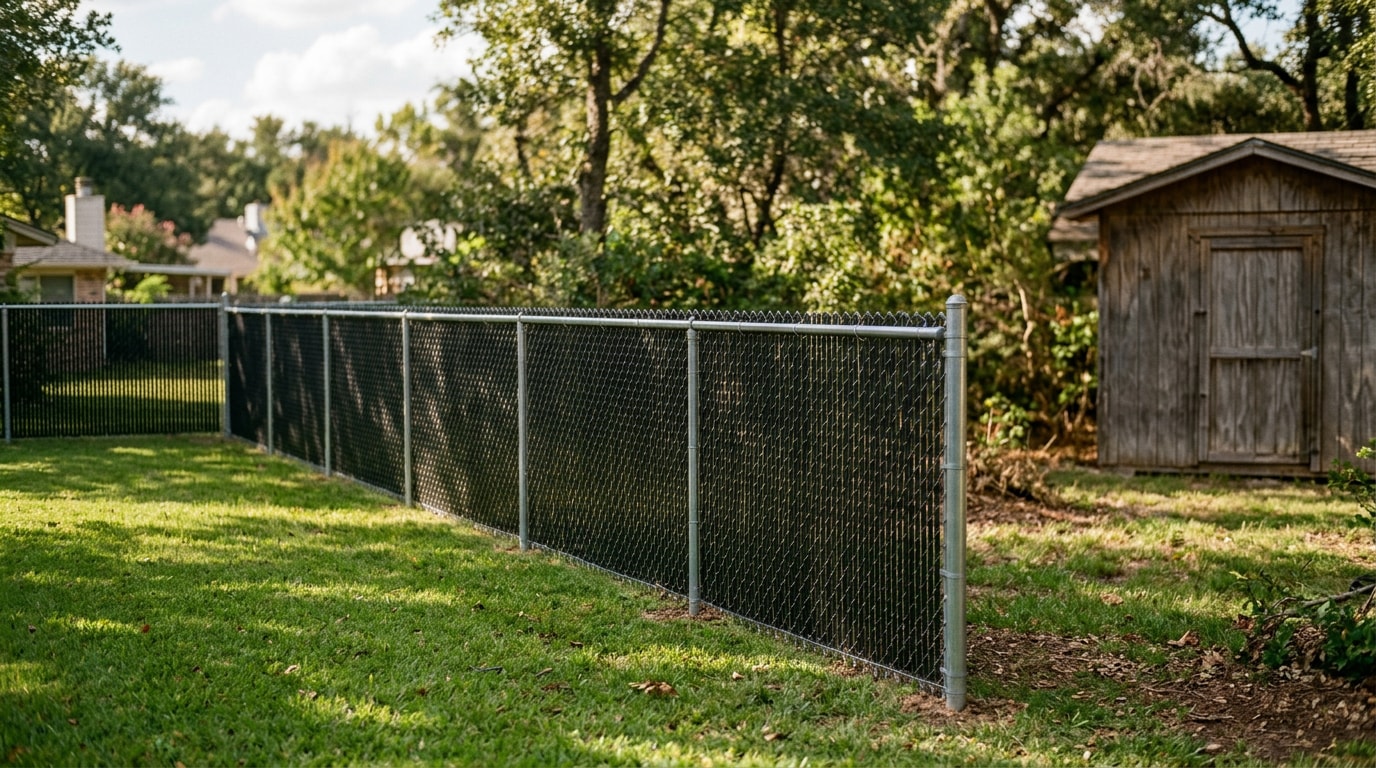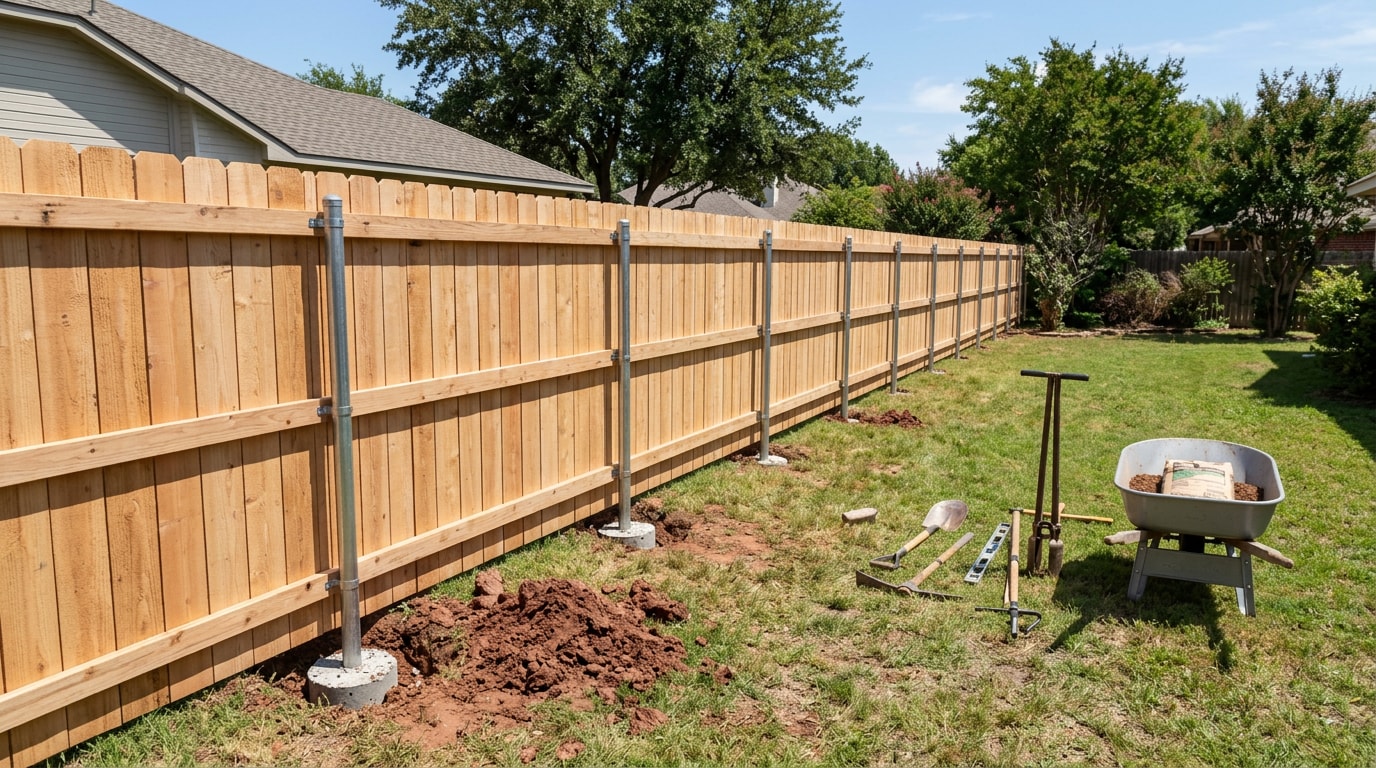
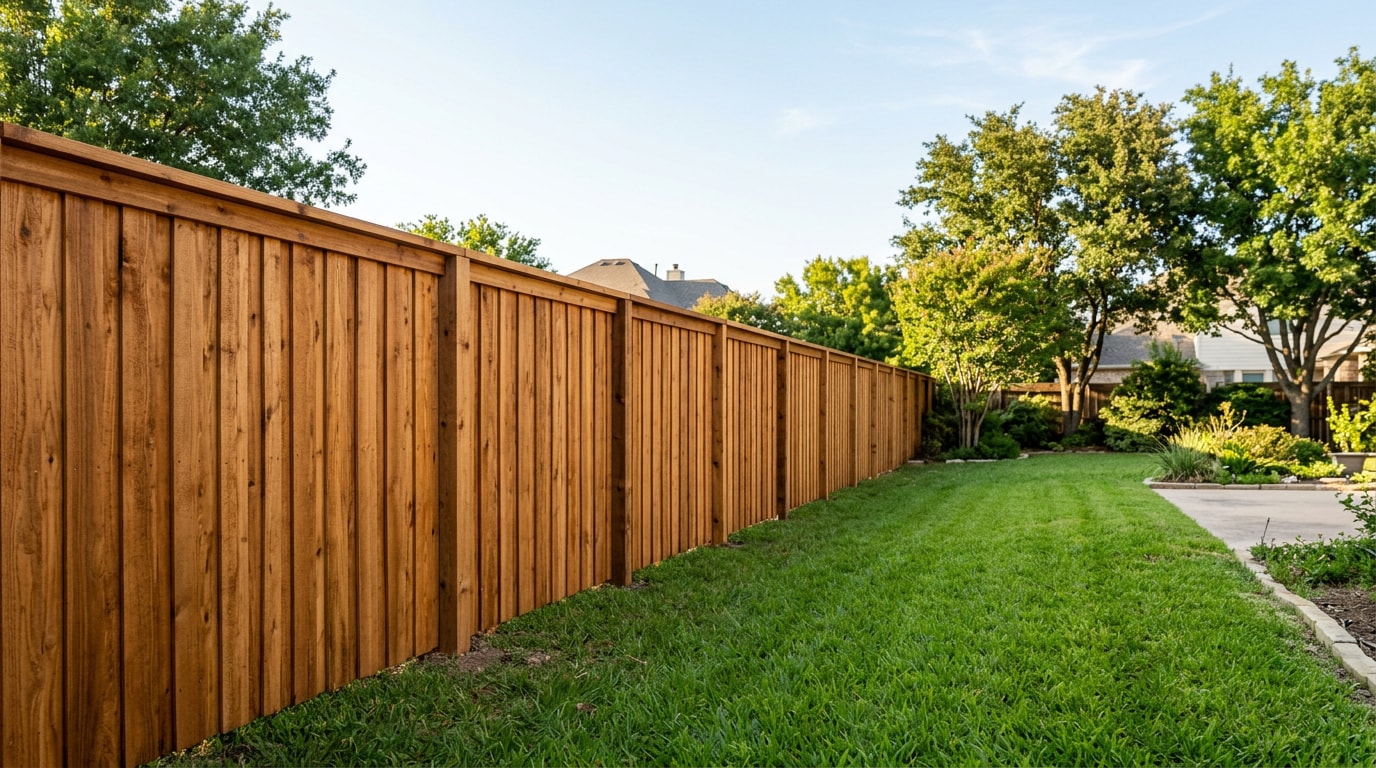
A vertical fence in Hurst, TX runs boards or pickets straight up from the ground to the top rail instead of stacking them horizontally. It remains the most requested layout in Tarrant County because it is budget-friendly, sheds rain well, and handles the area's clay soil better than longer horizontal spans. This guide breaks down the local styles, real cost ranges, and the city rules you need to check before anyone touches a post hole.
Vertical Fence Styles Available in Hurst, TX
"Vertical fence" covers three distinct board arrangements, and the one you pick changes your privacy level, airflow, and price per foot. Most Hurst homeowners choose between side-by-side, board-on-board, or shadow box construction. Here's how each one performs.
Side-by-Side Vertical Fencing
Side-by-side fencing, also called butt-and-butt, uses vertical planks installed edge to edge with little or no gap between boards. It's one of the most economical wood fence styles since it uses less overlapping lumber than board-on-board designs. Small gaps of a quarter-inch to half-inch are normal, since wood naturally expands and contracts with humidity changes.
Boards can shrink slightly over time, which widens sight lines through the fence. That matters if full privacy is the goal. For property lines, side yards, or budget-conscious backyard projects, side-by-side vertical fencing gives you a clean, classic look without paying for overlapping boards.
Board-on-Board Vertical Fencing
Board-on-board fencing uses two layers of overlapping pickets, with each board covering the gap of the one behind it. This overlap closes sightlines almost completely, making it one of the more requested vertical fence styles for Hurst backyards that back up to neighbors or busy streets.
Because the pickets overlap on both sides, the fence looks nearly identical from either yard. The extra lumber and labor push the price higher than side-by-side construction, but many homeowners find the added privacy worth it. The doubled boards also add some rigidity against wind load.
Shadow Box Fencing
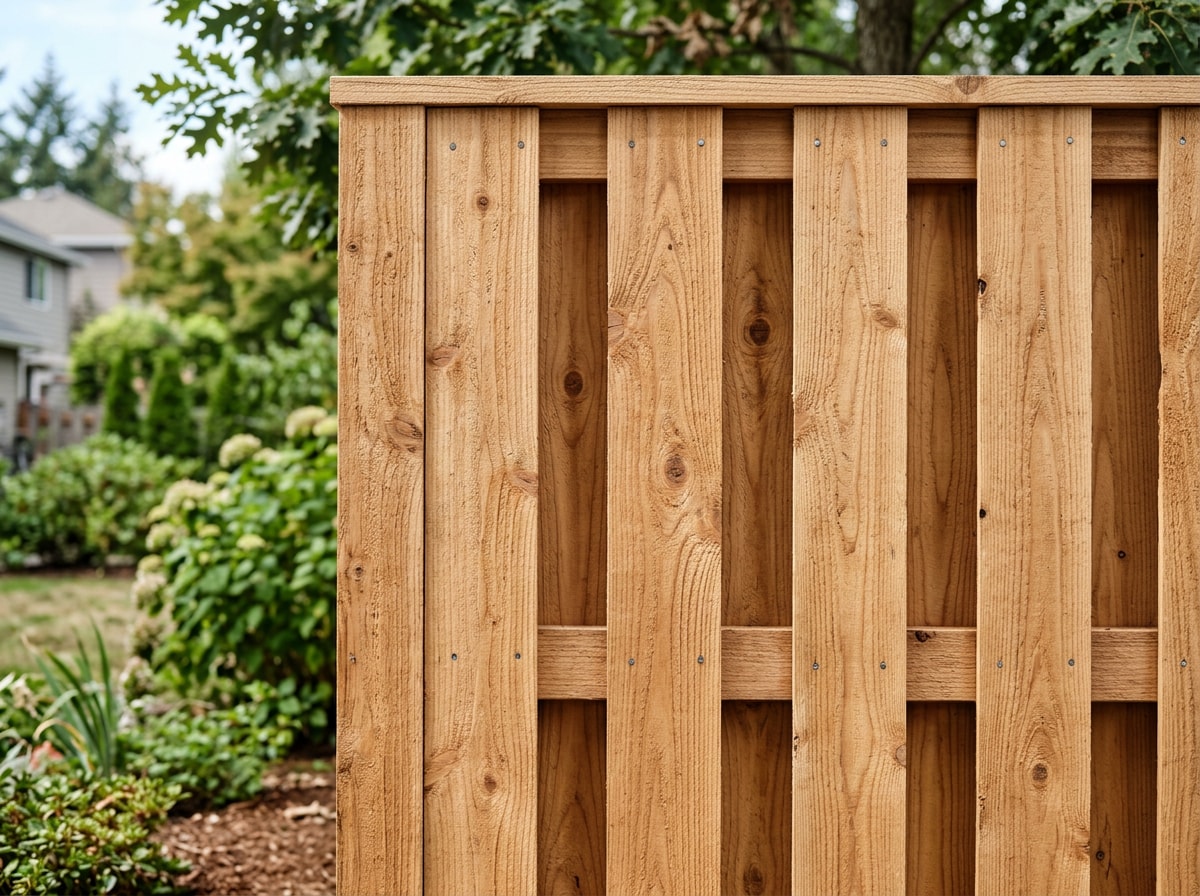
Shadow box fencing alternates pickets on opposite sides of the rails, creating a woven, basket-like pattern when viewed head-on. This narrows sightlines without blocking airflow completely, which makes it a practical choice for yards with limited breeze or heavy shade.
It sits between the solid privacy of board-on-board and the more open look of side-by-side construction. Shadow box also looks identical from both sides, since the pattern alternates evenly, which is a considerate choice on a shared property line.
Hurst Fence Height and Permit Rules
Before you pick a style, check what the city actually allows. Hurst's zoning ordinance sets a specific ceiling on residential fence height. Walls and fences constructed on property used for or restricted to residential uses must be no greater than eight feet in height, subject to certain limitations.
No wall or fence located in a required front yard may have a height of more than three feet, though security fences may be permitted if shown on approved site plans. You can review the full ordinance language through the City of Hurst's code of ordinances.
Permits are also part of the process. A building permit is required to construct a new structure or to remodel or add to an existing structure, and this includes fences, swimming pools, signs, and similar projects. Contact information and current requirements are posted on the City of Hurst's building inspections FAQ page.
On a recent Hurst install, our crew still pulled a permit and confirmed the property corners with the homeowner before setting the first post, since the city ties fence height to the finished grade, not just the picket length. A fence contractor handling your project should confirm these steps for you, but it's worth knowing the rules going in. For a deeper look at how post spacing and code requirements interact in neighboring cities, see this fence post code and installation guide.
Why Homeowners Choose Vertical Fences
Vertical fencing is a go-to choice for reasons beyond looks. It fits most Hurst neighborhoods and tends to be more straightforward to install than horizontal designs, especially with an experienced crew.
Security is one underrated benefit. Vertical boards run straight up and down, so there's no horizontal rail for someone to use as a foothold when climbing. Horizontal rails create a built-in ladder effect roughly every twelve to eighteen inches.
Water shedding is another advantage. Rain runs down vertical boards toward the ground instead of pooling on flat surfaces. Rot isn't as severe on fence parts above ground, but wood can easily decay where too much water is trapped and absorbed. That's one reason vertical boards tend to outlast horizontal rails exposed to the same rainfall. If you want this benefit in a low-maintenance material, vinyl fence installation is worth comparing against cedar.
Vertical vs. Horizontal Fence Comparison
The clearest way to decide between styles is a direct look at cost, privacy, durability, and maintenance. These are general industry planning ranges, not site-specific quotes, since actual pricing depends on lumber grade, yard length, and gate count.
| Factor | Vertical Fence | Horizontal Fence |
|---|---|---|
| Typical installation cost (per linear foot) | Roughly $25 to $40 | Roughly $35 to $55 |
| Expected lifespan | Around 15 to 20 years with cedar and regular sealing | Around 12 to 18 years, often less in high-sun exposure |
| Maintenance frequency | Resealing roughly every 2 to 3 years | Resealing often needed every 1 to 2 years |
| Clay soil movement | Generally tolerates post shifting well | More sensitive, since level rail lines matter more |
Are Horizontal Fences More Expensive?
Horizontal fencing generally costs more for structural reasons. Horizontal boards need closely spaced posts to prevent sagging across longer spans, which means more posts and concrete per linear foot. The boards also tend to need higher-grade, more consistent lumber, since warping is highly visible along a flat line.
Vertical fence cost stays lower because side-by-side and board-on-board designs can use standard post spacing, roughly every six to eight feet, with less specialized lumber grading. Pricing always varies by material, yard length, and gate count, but vertical designs are generally the more budget-friendly entry point.
Do Horizontal or Vertical Fences Require More Maintenance?
Vertical fences generally need less frequent upkeep because the board orientation sheds water more efficiently. Rain runs down the length of each plank and drips off the bottom edge rather than sitting on a flat horizontal surface where it can soak in.
Horizontal rails require more protection from decay than do vertical boards , according to USDA Forest Service guidance on wood fence construction. In practice, that usually means resealing a vertical wood fence every two to three years, while horizontal designs may need attention closer to every year or two, especially on sections that catch direct afternoon sun.
Which Fence Style Is Right for You?
Budget-conscious homeowners, or those with a sloped or uneven yard, generally lean toward vertical fencing. Side-by-side and board-on-board styles adapt more easily to yard terrain, since panels can be racked or stepped along a slope without a major redesign.
Homeowners prioritizing a sleeker, more modern look sometimes prefer horizontal boards, accepting the higher installation cost and maintenance schedule as a trade-off for aesthetics.
North Texas adds another layer to the decision. Clay soil shifts with seasonal moisture changes, which can stress rigid horizontal rail systems over time. If you're replacing an aging or storm-damaged fence, it's worth reviewing fence repair and replacement options or exploring privacy fencing before committing to a new layout. You can also get a free estimate to compare vertical styles side by side for your actual yard.
Hurst, TX Commercial Fencing Options
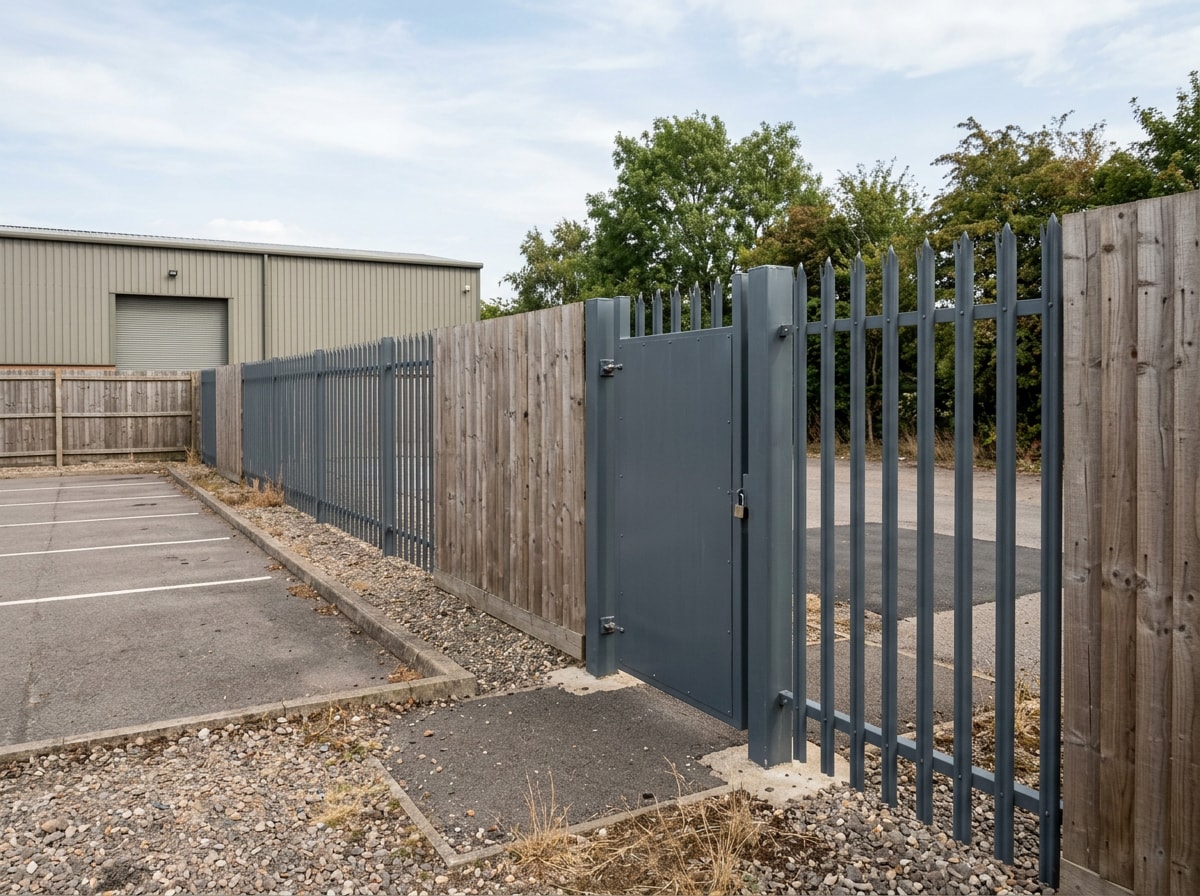
Commercial properties in Hurst use vertical fencing for the same core reasons as homeowners: cost control, security, and a clean boundary line. Wood vertical fencing works well for smaller lots or privacy screening around dumpster areas and equipment, while vertical-style metal fencing offers a more durable option for larger commercial perimeters.
Business fence projects also need to account for the same height and placement rules covered above, since Hurst's ordinance applies to nonresidential property as well. Before installing a commercial fence, confirm current setback and height rules with the city, and review commercial fence repair if you're maintaining an existing perimeter rather than starting fresh.
You can see more completed vertical fence projects across North Texas on our projects page, or browse the full fence contractor service list to compare materials before you commit. For general information on our company and service area, visit the homepage.
FAQ
Do I need a permit for a vertical fence in Hurst, TX?
Yes. New construction, remodeling, enlarging, or additions to existing structures require a permit, including fences. Check with the city's building inspections office before installation, since requirements can change and corner lots or HOA properties may have extra rules.
What is the maximum fence height allowed in Hurst?
Residential fences may be no greater than eight feet in height, while a fence in a required front yard may not exceed three feet unless it's a security fence shown on an approved site plan. Height is measured from the ground to the top of the fence, so grade changes on sloped lots can affect your actual limit.
Which Is Better, a Vertical or Horizontal Fence?
Neither style is universally better. The right choice depends on budget and priorities. Vertical fencing usually costs less, sheds water better, and offers strong security, making it the practical choice for most Hurst homeowners. Horizontal fencing suits those who want a modern aesthetic and are willing to pay more for closer post spacing and higher-grade lumber.
Should Fence Panels Be Vertical or Horizontal?
Fence panel orientation comes down to practicality versus design preference. Vertical panels are easier to install, more affordable, and better suited to sloped yards. Horizontal panels create a sleeker, more contemporary look but require tighter post spacing and higher-grade lumber to prevent sagging over time.
How Much Does a Vertical Fence Cost Per Foot?
Vertical fence cost per foot typically ranges from about $25 to $45 for wood installations, depending on style, lumber grade, and yard length. Side-by-side designs sit toward the lower end, while board-on-board privacy fencing costs more due to the extra lumber. Cost also rises with gate count, height, and local labor rates, so a site-specific estimate is the most accurate way to budget.
How Long Does a Vertical Fence Last?
A well-installed, properly maintained vertical wood fence generally lasts 15 to 20 years, though lifespan varies with lumber type, climate exposure, and how consistently it's sealed. Cedar tends to outperform pine in durability due to natural rot resistance. Regular resealing, prompt repair of damaged boards, and proper drainage around posts all help a vertical fence reach the longer end of that range.